
Nar Phu Valley Trek
Experience a thrilling ride along the mysterious paths of Nar Phu Valley Trek amidst towering cliffs, old monasteries, and the pristine wilderness of the trans-Himalayas. Discover the secluded village of Nar and Phu, which preserve Tibetan culture and tradition to date. This is one of the remotest and most culturally rich treks with panoramic views of mountains and passes.
Nar Phu Valley Trek Overview & Highlights
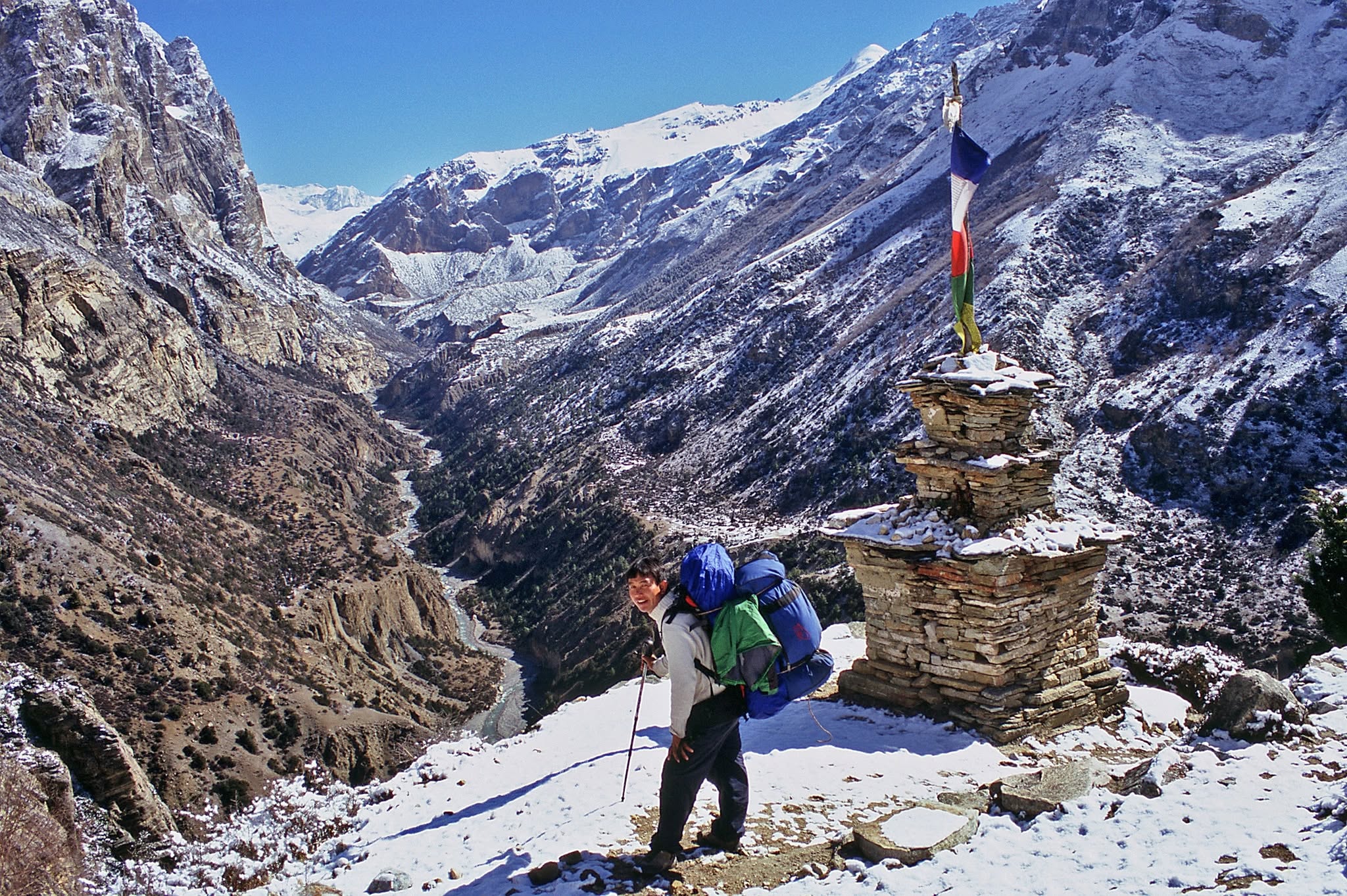
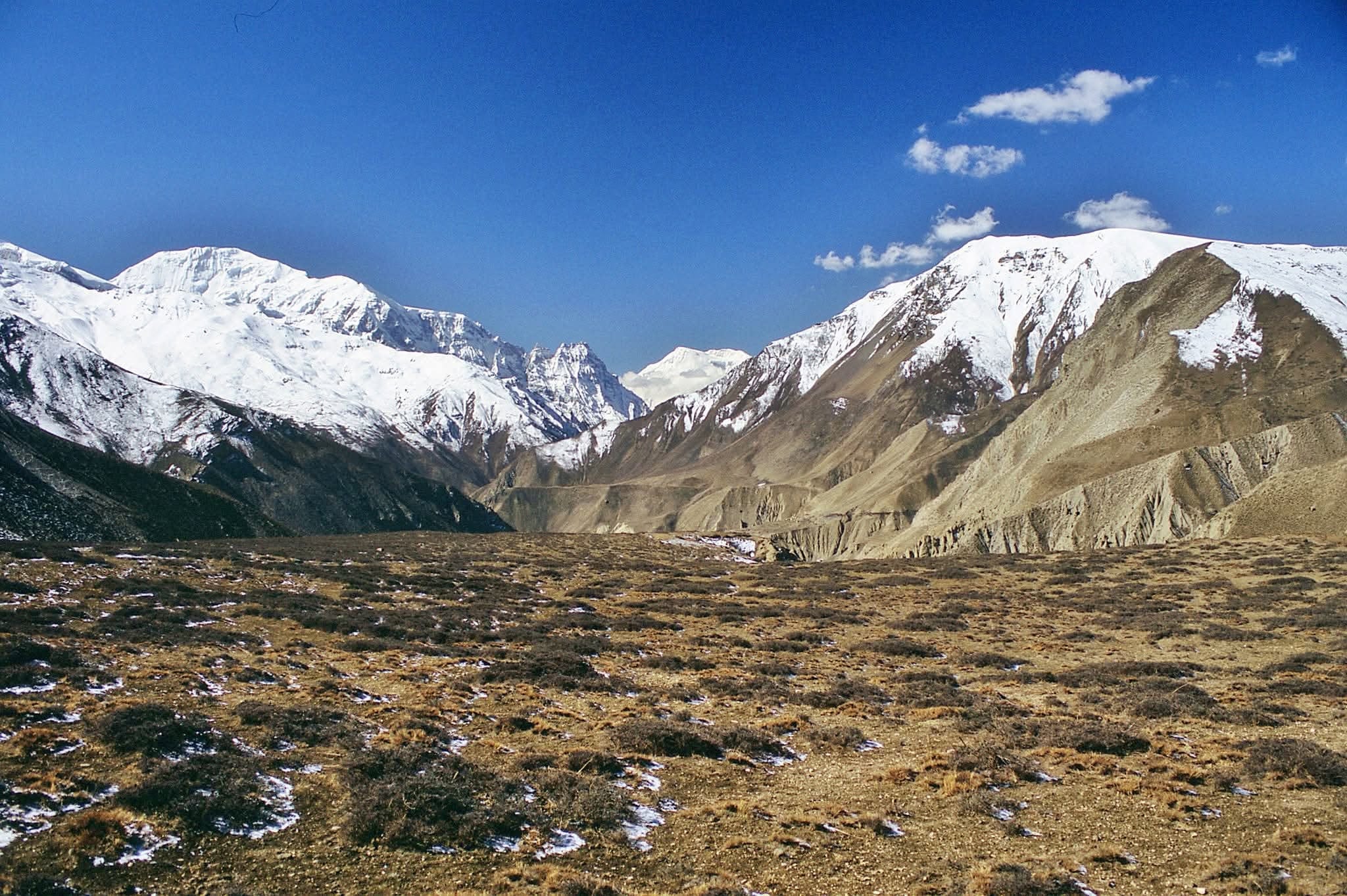
Nar Phu Valley Trek is undoubtedly the remotest and richest in terms of cultural treasures of all Nepal’s treks. Located in the Annapurna Range in the northern part of Nepal, this trek is a fascinating combination of the trekking experience in the mountains, Tibetan culture, and beautiful views of the Himalayas. The region was closed to the outside world up till 2002; the fact that the region has been isolated has helped it retain its rich heritage of Tibetan traditions, monasteries, and culture intact.
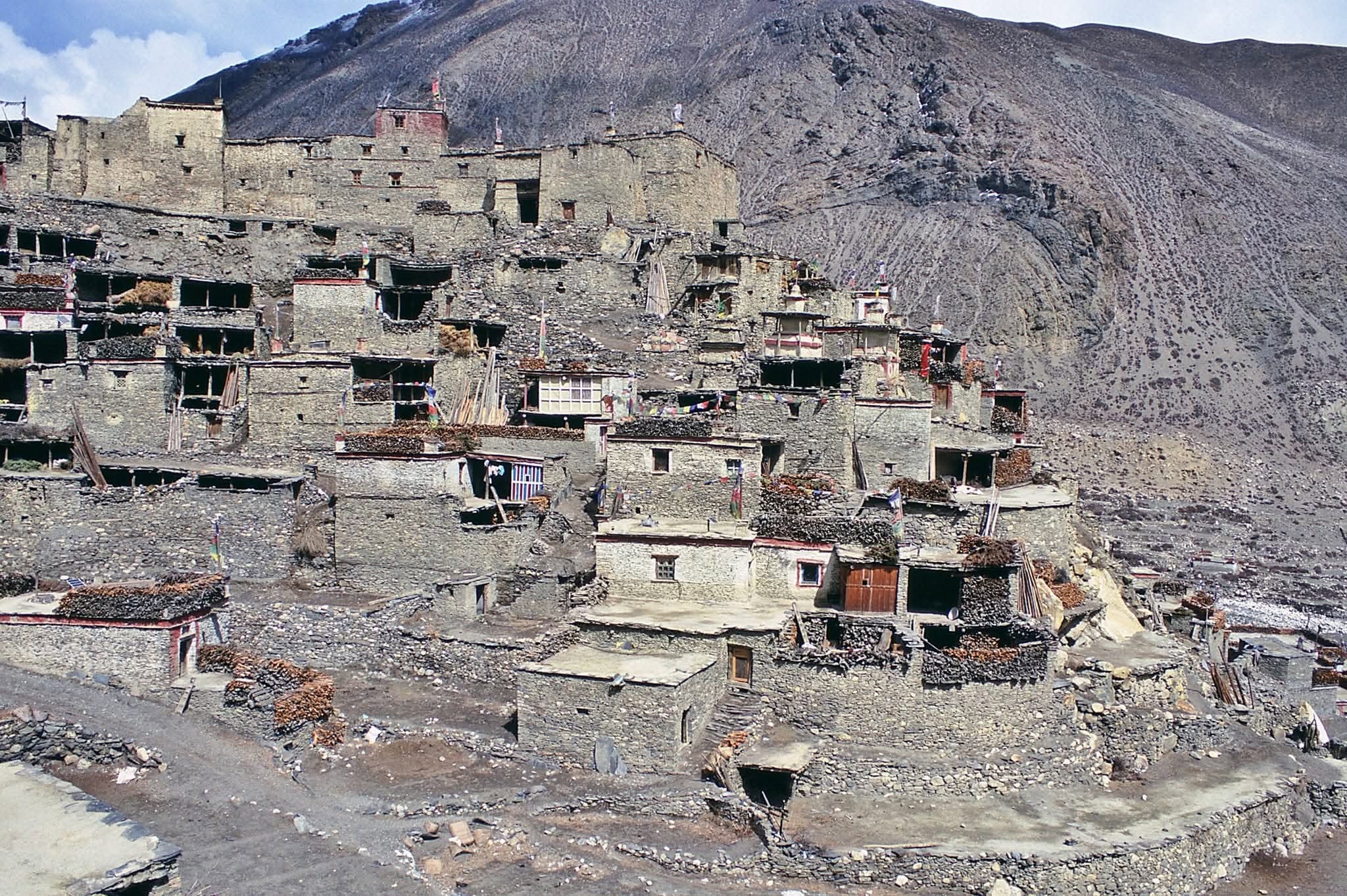
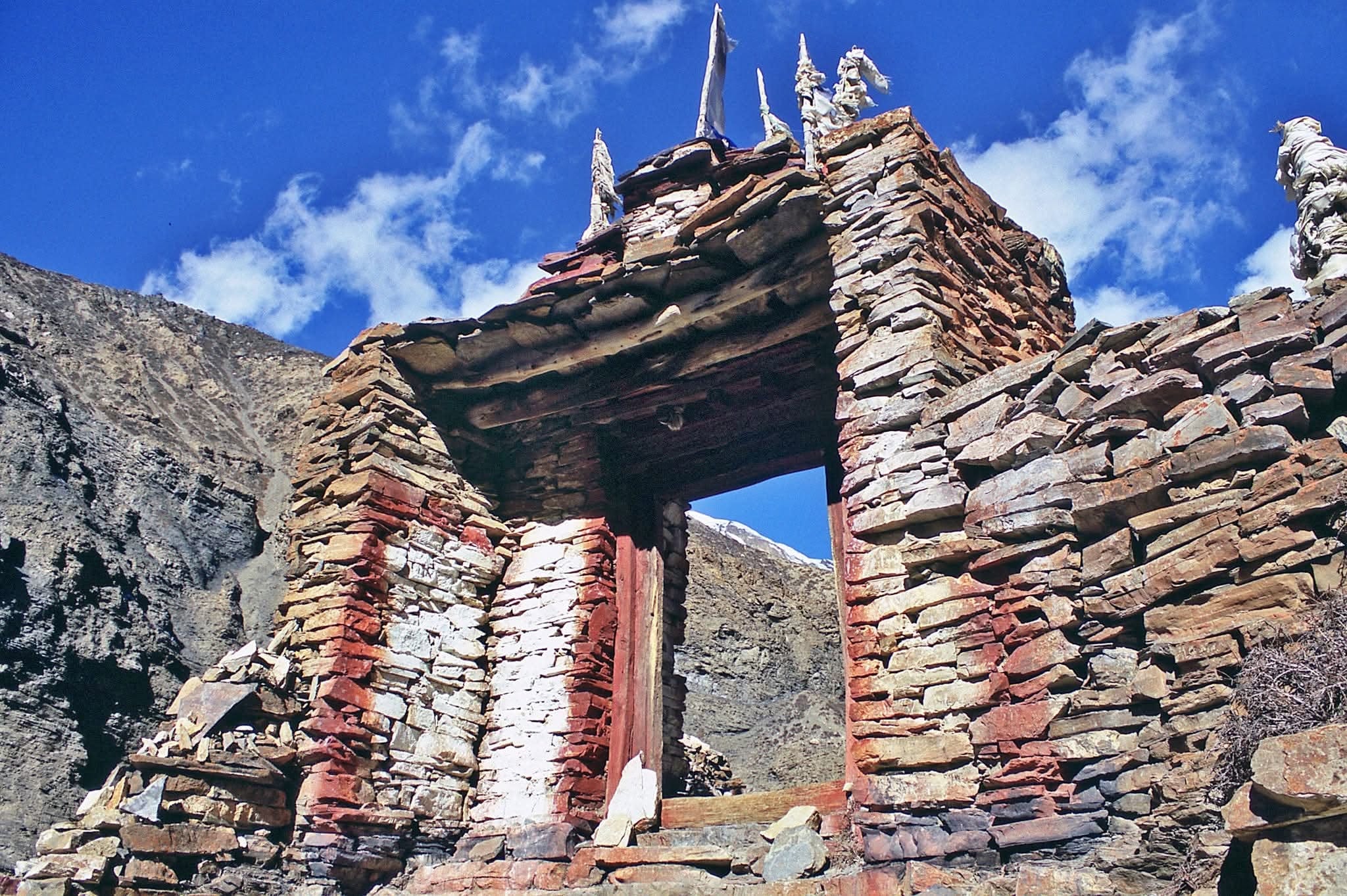
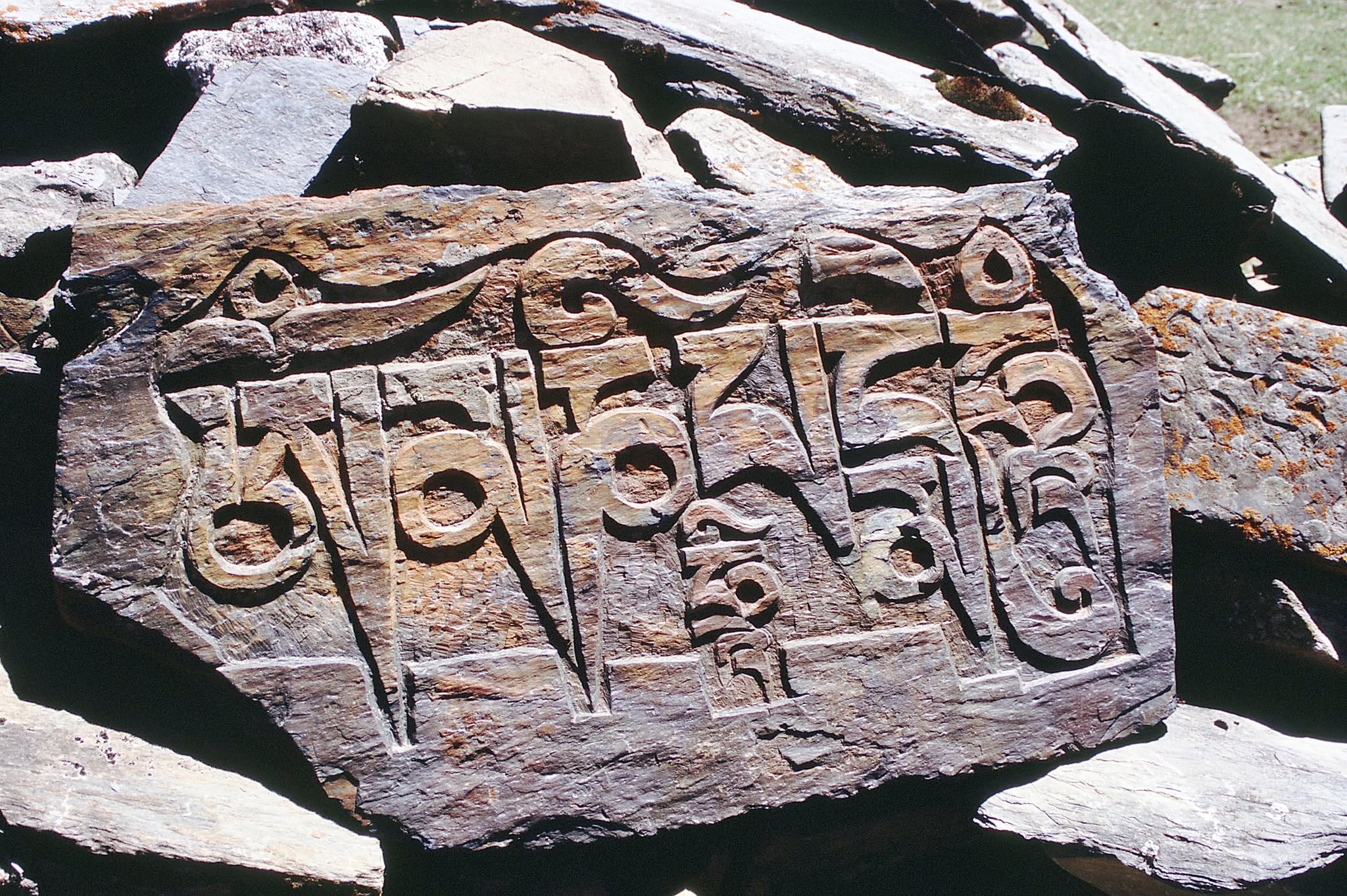
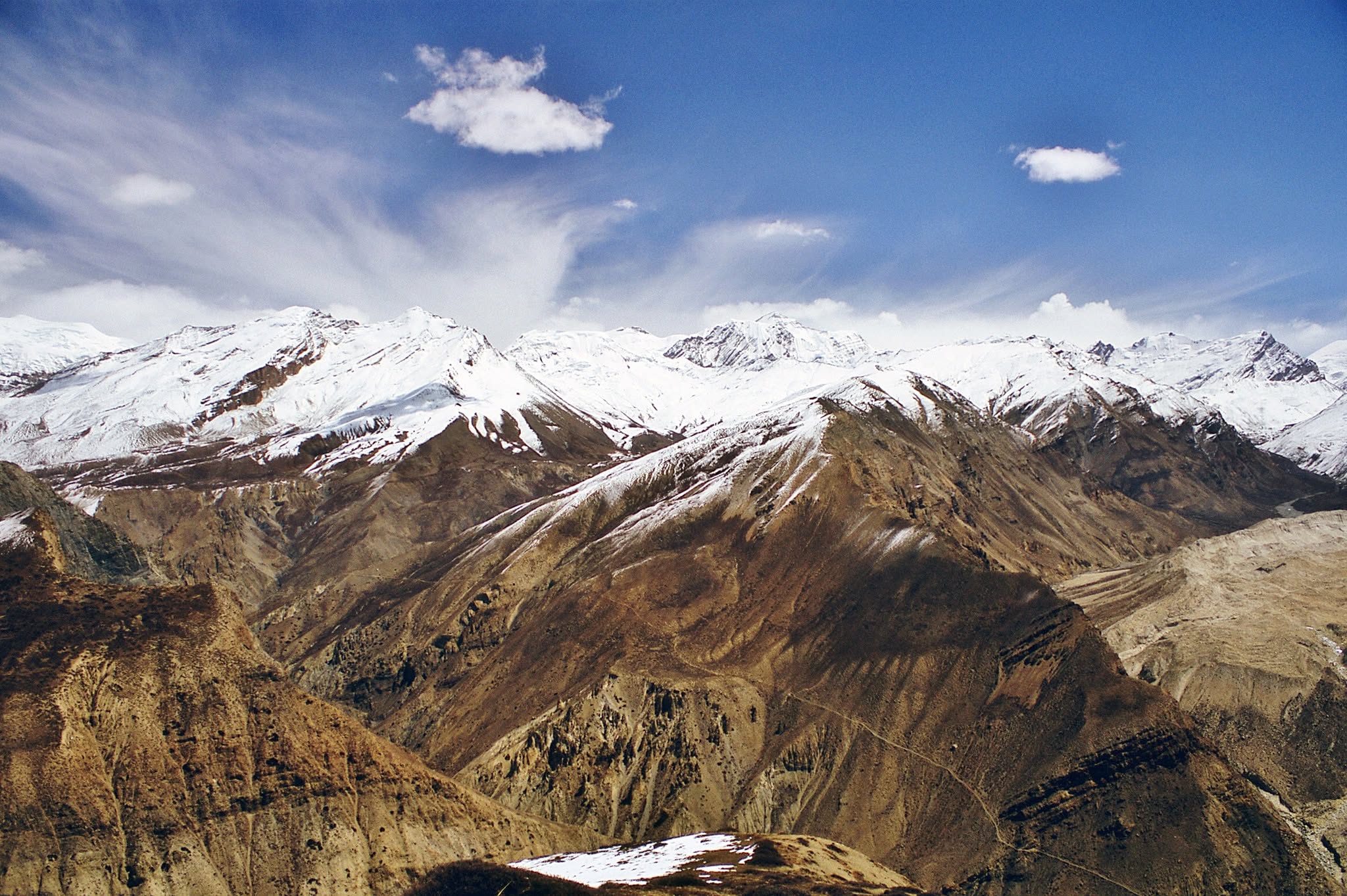
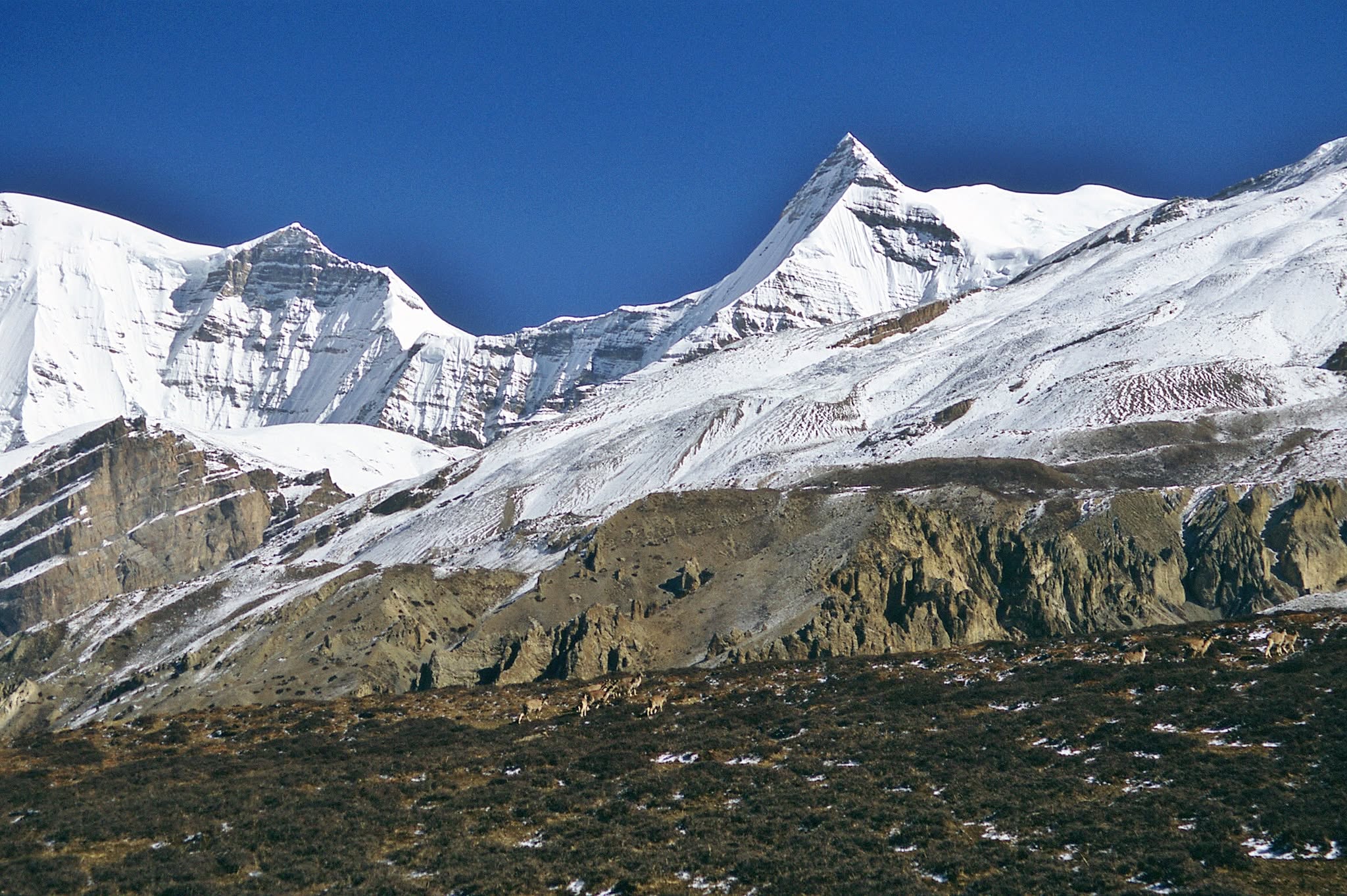
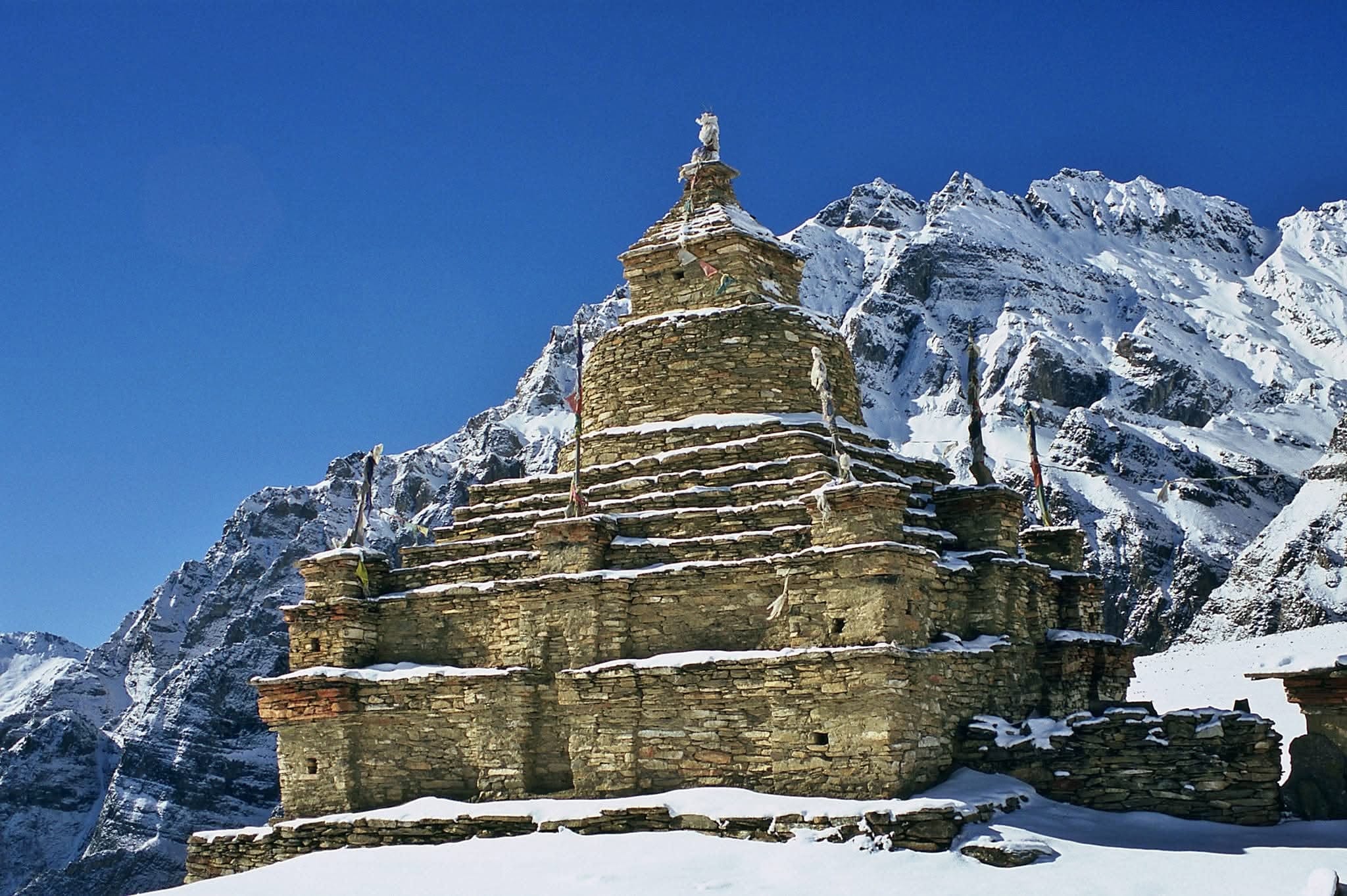
The trek starts with traveling through the rich Manang Valley followed by an ascension to the arid high altitudes. The trekkers go through narrow valleys, rugged mountain ridges, and desolate high desert plains, accompanied with amazing vistas of snow-capped summits of Annapurna II, Annapurna IV, Tilicho Peak, and Gangapurna. The villages of Nar and Phu are very small settlements with stone-built houses, prayer flags, mani walls, and chortens being a part of their everyday lives.
In terms of physical difficulty, the Nar Phu Valley Trek can be described as a moderately difficult to challenging trek. This trek has segments at high altitudes of over 4,000 meters above sea level. It is composed of long days of walking, steep climbs, and sometimes rugged terrain, which requires acclimatization and physical fitness. However, the trek offers some unique sights in return for its difficulties.
Fundamentally, the trek to the Nar Phu Valley is perfect for those trekkers who love to have adventure and at the same time get immersed in the culture of Tibet.
Nar Phu Valley Trek Detailed Itinerary
Drive from Kathmandu to Ngadi
Start your Nar Phu Valley trekking experience with a spectacular 9 to 10 hour road trip from Kathmandu at 1,400 meters to Ngadi at 1,100 meters. This is done along the route of the Prithvi Highway and through hilly routes that pass through green valleys, terraced farming areas, rivers, and typical rural communities.
Trek from Ngadi to Bharagaun
Begin your trekking on the first day by traveling from Ngadi (1,100 meters) to Bharagaun (2,050 meters), covering a distance of about 5–6 hours. The path slowly rises via thick forests, rice fields, rivers, hanging bridges, and local settlements. Reach Bharagaun and have a relaxed time in a simple teahouse while gearing up for the next segments.
Trek from Bharagaun to Phu Gaon
Hike from Bharagaun (2,050 meters) to the far-off Phu Gaon (3,650 meters), which takes about 6-7 hours. Hikers can see rhododendron and pine forests, terraced farms, small mountain trails, and changing alpine environments on their way to Phu. On the way to Phu, hikers are blessed with wonderful views of Annapurna II, Annapurna IV, Gangapurna, and Tilicho Peak.
Trek from Phu Gaon to Nar Phedi
From Phu Gaon (3,650 m), start walking to Nar Phedi (4,070 m) in about 5-6 hours’ time. The trail will pass you through the rocky ridges, narrow canyons, alpine meadows, and high desert. You will have an opportunity to admire the views of Annapurna II, Gangapurna, and Tilicho peak while witnessing the challenging and untamed terrain of Nar Phu Valley. Night stay in the simple teahouse/lodge in Nar Phedi.
Trek from Nar Phedi to Nar Village
Continue walking from Nar Phedi (4,070 m) to Nar Village (4,200 m), which is a relatively shorter 3-4 hours journey through alpine high altitude region. The path provides an amazing experience of watching rock ridges, glacial streams and snowy mountains around. On your journey, you will come across various Tibetan style stone houses, chortens, prayer flags and mani walls. Reach Nar Village and feel the unique atmosphere of this village.
Trek from Nar Village to Ngawal
Walk from Nar Village to Ngawal through the lush alpine meadow areas, rough terrain, and deep gorges. It takes 5-6 hours and the scenery comprises breathtaking views of the three peaks, Annapurna II, Gangapurna, and Tilicho Peak. On your way down, the surroundings become greener and you encounter more life along the way. Finally reach Ngawal and unwind in a teahouse there.
Trek from Ngawal to Nar Lhaka
From Ngawal (3,660 m), walk to Nar Lhaka (3,920 m) on a trek that takes 4 to 5 hours on rocky ridges and barren alpine scenery. On this path, you will encounter sparsely inhabited lands, yak grazing fields, mani stones, and prayer flags. Spend some time taking in the stunning views of Annapurna II, Gangapurna, Tilicho Peak, and many more Himalayan peaks.
Cross Kenchen La Pass to Munji
Tackle one of the toughest portions of the trek when you make your way across the Kenchen La Pass (4,950m) from Nar Lhaka (3,920m) to Munji (3,800m). It will take you between 7 to 9 hours to reach the destination that includes a lot of climbs, rock ridges, and snow fields. Once there, admire the view of the mountains Annapurna II, Annapurna III, Gangapurna, and Tilicho Peak, among others.
Trek from Munji to Meta
Travel from Munji at 3,800m to Meta at 3,100m, covering an estimated 5–6 hours of hiking on alpine routes with rocky hills and steep valleys. With a drop in height comes vegetation changes, including the appearance of greenery in the form of bushes, grasslands, and even some settlements. Have a chance to view the Annapurna II, Gangapurna, and Tilicho Peaks en route to Meta.
Trek from Meta to Phu Gaon
Walk downhill from Meta (3,100 m) to Phu Gaon (3,650 m), trekking on alpine routes and rocky ridges for about 4-5 hours. Trekking will provide yet another chance to enjoy the breathtaking landscapes of Nar Phu Valley, with views of Annapurna II, Tilicho Peak, and Gangapurna. You will pass through traditional stone settlements, mani walls, prayer flags, and yak herds on your way back to Phu Gaon.
Trek from Phu Gaon to Ngadi
Start descending to Ngadi (1,100 m) from Phu Gaon (3,650 m) and take about 6-7 hours to descend down. The path will wind down from alpine meadow to forests and fields, coming back slowly into the low region of Manang. Enjoy the variation in landscape as you will come across rhododendron, pine, and oak forests at different altitudes. Reach Ngadi for overnight stay.
Drive from Ngadi to Kathmandu
Your Nar Phu Valley Trek ends with a picturesque 9-10 hour road trip from Ngadi (1,100 m) to Kathmandu (1,400 m). This is done by taking a route along the Prithvi Highway that goes past valleys, rivers, terraced agricultural fields, and villages. The end of your trekking experience in Nar and Phu valleys will be upon reaching Kathmandu.
Nar Phu Valley Trek Cost & Inclusions
Included
- Transportation Fare: Kathmandu – Koto – Kathmandu
- Nar Phu Restricted Area Permit (RAP) Fee
- Annapurna Conservation Area Permit (ACAP) Fee
- 12 Days Full Board Teahouse Accommodation and Meals
- Tea and Coffee
- Drinking Water
- Professional Licensed Trekking Guide
- Porter Service
- Guide and Porter Wages
- Guide and Porter Insurance
- Porter Accommodation and Meals
- First Aid Kit
- Government Taxes and Service Charges
Not included
- International Airfare
- Domestic Flights
- Hotel Accommodation in Kathmandu
- Meals in Kathmandu
- Personal Expenses
- Travel Insurance
- Tips and Gratuities
- Optional Activities and Upgrades
- Hot Showers and Wi-Fi
- Medical and Emergency Expenses
- Personal Trekking Gear
Packing List
To ensure your safety and satisfaction throughout the trek, make sure you have the proper attire, gear, and equipment. One porter will be allotted for every two trekkers, with a total weight-carrying capacity of 18 kg per porter (allowing a maximum limit of 9 kg per trekker).
Since the porter will carry gear for two people, we recommend coordinating with your trekking partner to pack both of your items into a single duffel bag with a minimum capacity of 60 liters. Each trekker will also need a daypack (20–30 liters) for daily essentials such as valuables, water, and important documents.
We advise bringing only essential clothing and accessories. Any excess baggage can be stored at our offices or at your hotel free of charge during the trek.
Clothing & Layers
- Moisture-wicking base layers (2–3 tops, 2 bottoms)
- Fleece or wool mid-layer jacket
- Insulated down or synthetic jacket
- Waterproof, windproof shell jacket
- Waterproof trekking pants
- Quick-dry trekking shirts (2–3)
- Trekking trousers (2–3 pairs)
- Warm hat and sun hat
- Neck gaiter or scarf
- Inner fleece and waterproof outer gloves
Footwear
- Waterproof trekking boots, well broken-in
- Trekking socks (3–4 pairs)
- Liner socks (1–2 pairs)
- Camp shoes or sandals for evenings
Sleeping Gear
- Four-season sleeping bag (-10°C / 14°F)
- Sleeping bag liner
- Pillowcase (optional)
Bags & Packs
- Trekking backpack (40–55L)
- Duffel bag, carried by porter
- Daypack (20–30L)
- Rain cover for your backpack
Personal Hygiene
- Biodegradable soap and shampoo
- Toothbrush and toothpaste
- Quick-dry towel
- Face and body wipes
- Hand sanitizer
- Sunscreen (SPF 50+) and lip balm
- Toilet paper
- Menstrual hygiene products
First Aid & Medicine
- Personal prescribed medicines
- Altitude sickness pills (consult a doctor)
- Painkillers
- Anti-diarrheal tablets
- Oral rehydration salts
- Blister plasters and band-aids
- Antiseptic cream
- Insect repellent
Electronics
- Headlamp with spare batteries
- Power bank
- Phone and charger
- Camera and SD cards (optional)
- Earplugs
- Travel adapter
Documents & Money
- Valid passport with visa
- 4 passport-size photos for permits
- ACAP and TIMS permits
- Insurance policy including medical evacuation
- Cash — Nepali Rupees (limited ATMs on the trail)
Optional Items
- Trekking poles (highly recommended)
- Water bottles (2–3 liters total)
- Water purification tablets or filter
- Energy snacks
- A lightweight book
- Notebook and pen
- Dry bags or zip-top bags
- Small thermos flask
Nar Phu Valley Trek FAQs
What is the Nar Phu Valley Trek?
The Nar Phu Valley Trek is an isolated trekking route in the northern Annapurna range that provides breathtaking views of the Himalayas and ancient Tibetan-styled villages.
Where is Nar Phu located?
The Nar Phu valley is located in Manang District of Gandaki Province, Nepal.
When was the Nar Phu trail opened to trekkers?
Access to the Nar and Phu Valleys was granted in 2002.
What is the total duration of the Nar Phu Valley Trek?
The hike usually takes 10 to 14 days, depending on the route taken.
What is the maximum altitude of the Nar Phu Valley Trek?
The highest elevation on the trekking route is the Kenchen La Pass, which stands at about 4,950 meters.
Do I need a permit for the Nar Phu Valley Trek?
Yes. The permits needed for Nar Phu Valley trekking include the Annapurna Conservation Area Permit (ACAP) as well as the Restricted Area Permit (RAP).
How much does the ACAP permit cost?
As stated on the HGI web site, the cost for the ACAP permit is NPR 3,000, or approximately $25 per person.
How much does the Nar Phu Restricted Area Permit cost?
According to the data available from the HGI page, the Restricted Area Permit costs NPR 2,000, which is about USD 17 per person.
Can I trek the Nar Phu Valley solo?
Solo treks can happen, but it is advisable to have a professional guide since the paths are hard to follow.
Do I need a porter for the Nar Phu Valley Trek?
The porter is not necessary, but he will be useful in carrying luggage, particularly when climbing through the high altitude portion of the trek.
What is the difficulty level of the Nar Phu Valley Trek?
The Nar Phu Valley trek is considered difficult trek due to long walking days, altitude, steep climbs, and tough terrain.
How many hours per day do we trek?
The average daily walking time by Trekkers is 5-8 hours. The duration depends on altitude, walking speed, and daily schedule.
Is altitude sickness a concern on the Nar Phu Valley Trek?
Yes. Given that the climb involves ascending to high altitudes, it is crucial to have good acclimatization, a slow ascent, sufficient fluid intake, and a slow pace.
Is the Nar Phu trail well marked?
They are more remote and less signposted than treks which are much more popular, therefore, the use of a knowledgeable guide is strongly advised.
Can beginners do the Nar Phu Valley Trek?
The trek is not advised for those who have no prior experience at all. Those trekkers who have some trekking experience and fitness will find the trek more suitable.
What type of accommodation is available?
Accommodation is made up mostly of simple teahouses and village hotels located along the way.
What food is available during the trek?
The food available in teahouses includes Nepali food, Tibetan food, and simple western food like dal bhat, noodles, soup, and momos.
Is drinking water available?
True, there is water to drink on the trail, but it needs to be purified by the use of water purification tablets, filters, or other purification techniques.
Is electricity available during the trek?
Electricity supply is limited in Nar Phu and can be obtained through solar panels or through generator power only. Sometimes, there could be extra costs for charging.
Is Wi-Fi available in the Nar Phu Valley?
Wi-Fi is not available in the Nar Phu Valley, where internet access is unavailable to most villages.
What are the main highlights of the Nar Phu Valley Trek?
Some of the highlights include passage through Kenchen La Pass, visiting the traditional villages of Nar and Phu, high altitude scenery, and spectacular Himalayan views.
Do we pass through forests or alpine zones?
The hike runs through both areas. The lower part is characterized by forested and greener areas, whereas the upper part becomes more alpine, dry, rocky, and barren.
Can I see wildlife during the Nar Phu Valley Trek?
Indeed, the trekkers can come across birds from the Himalayan region, marmots, and even yaks at times.
Is the Nar Phu Valley Trek culturally immersive?
Yes, the villages of Nar and Phu have a strong Tibetan culture influence because of their traditional stone houses, monasteries, chortens, prayer flags, and traditions.
Are there good photography opportunities on the trek?
Yes. There are many great photo ops on this hike, especially at Kenchen La Pass, the villages of Nar and Phu, and mountain lookouts.
What is the best season for the Nar Phu Valley Trek?
Spring (March-May) and Autumn (September-November) are usually the most favored seasons due to clear skies and favorable trekking conditions.
Can the Nar Phu Valley Trek be done in winter?
The trek is feasible during winter, but low temperatures, snowfalls, tough terrains, and even closure of teahouses may make the trek tougher than expected.
What gear is needed for the Nar Phu Valley Trek?
The basic equipment consists of sturdy trekking shoes, layered clothing, a proper sleeping bag, trekking poles, water purification system, rain gears, and other high altitude trekking gear.
Why choose the Nar Phu Valley Trek?
Nar Phu Valley Trek takes you through a remote cultural journey in the Himalayan region that features traditional villages inspired by Tibetan culture, high altitude landscapes, mountain views, and an off-the-beaten-path location in Nepal.
Leave a review
Share your trekking experience with future travellers.
There are no reviews yet. Be the first one to write one.