
Khopra Trek
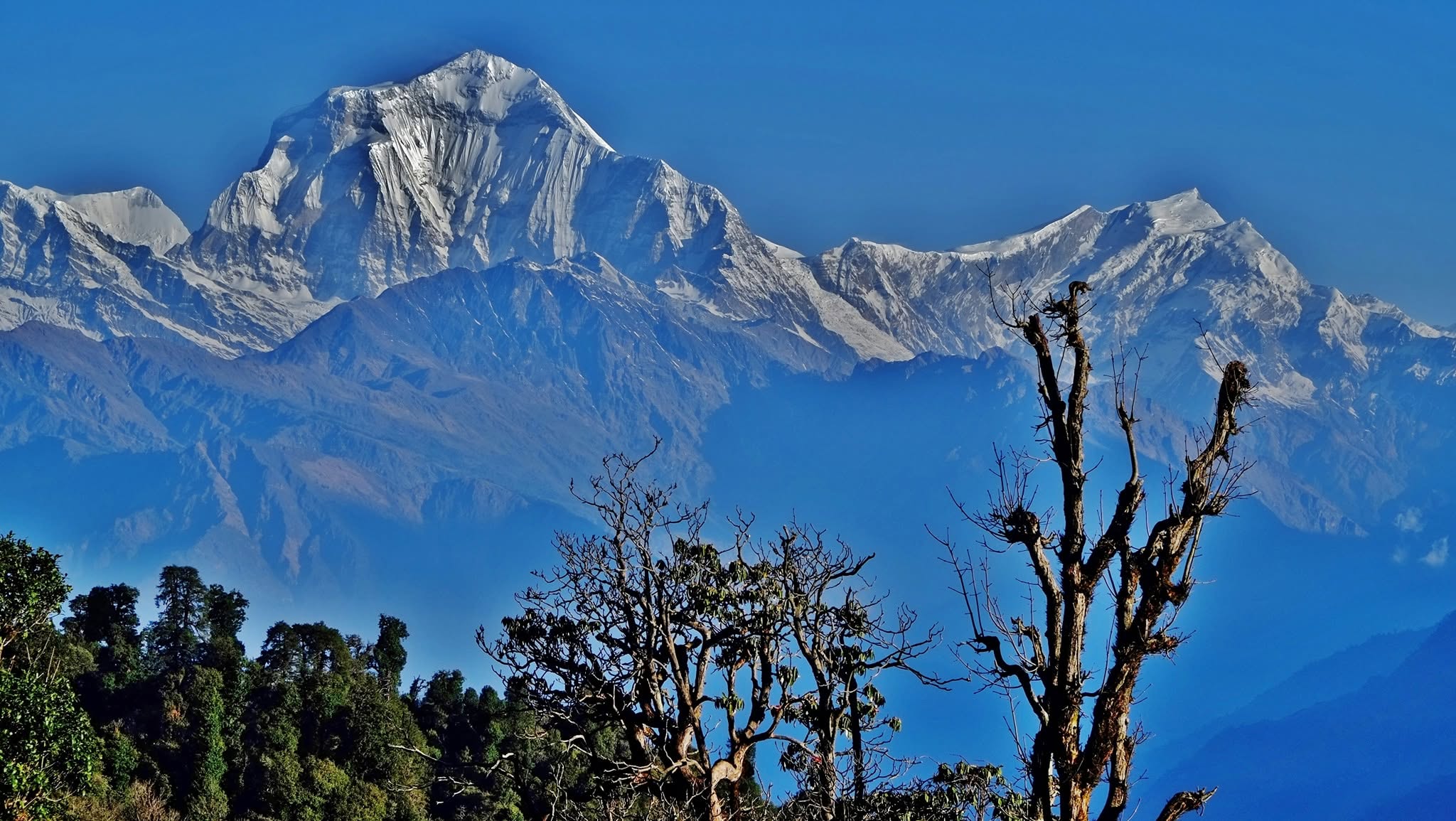
Khopra Danda (Ridge) Trek is a great offbeat trekking route available in the Annapurna area. This trek of 9 days will give you the combination of a peaceful trail, cultural Himalayan experience, and high altitudes with views of Dhaulagiri (8,167 m) and Annapurna South up close.
Khopra Trek Overview & Highlights
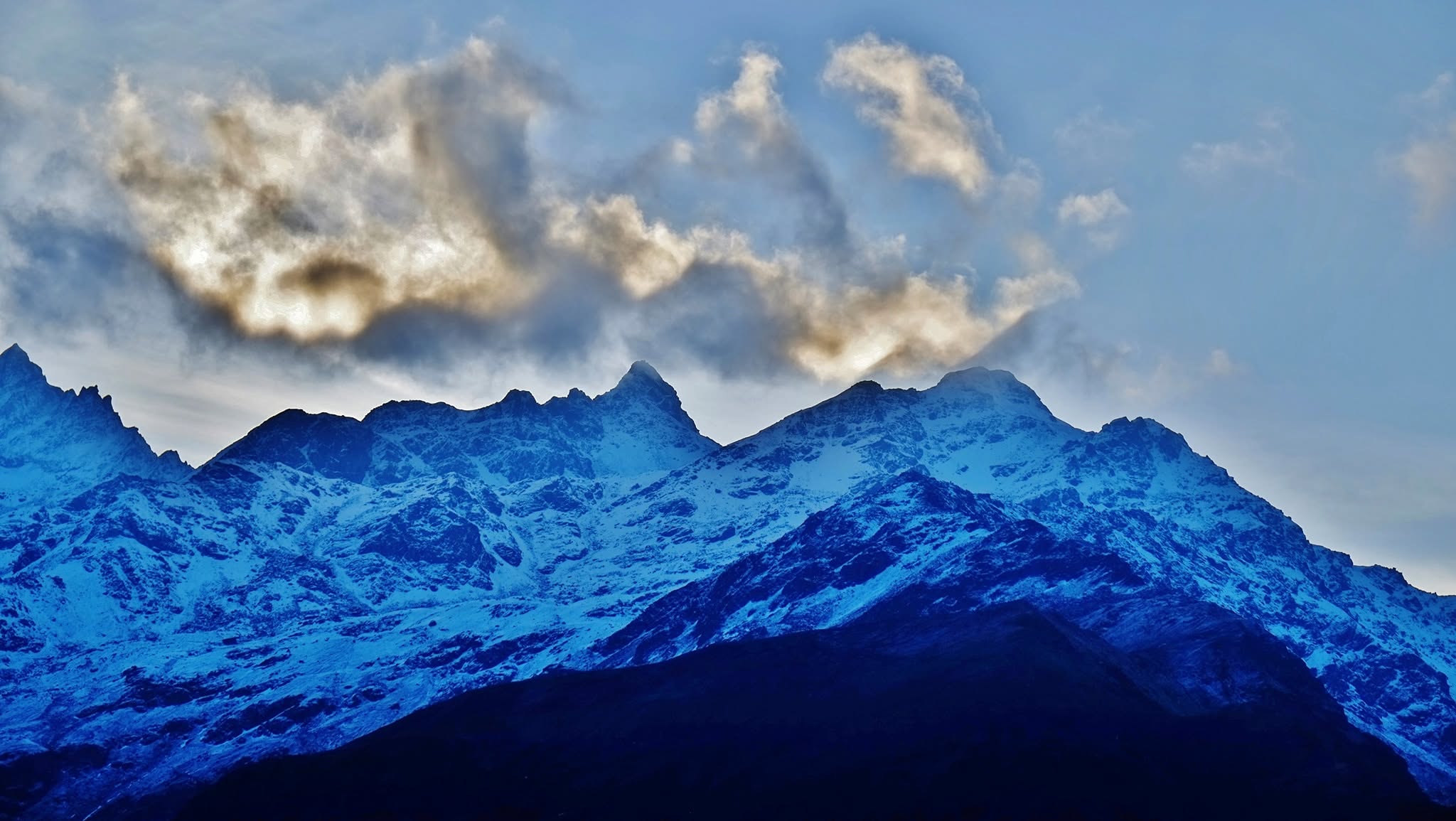
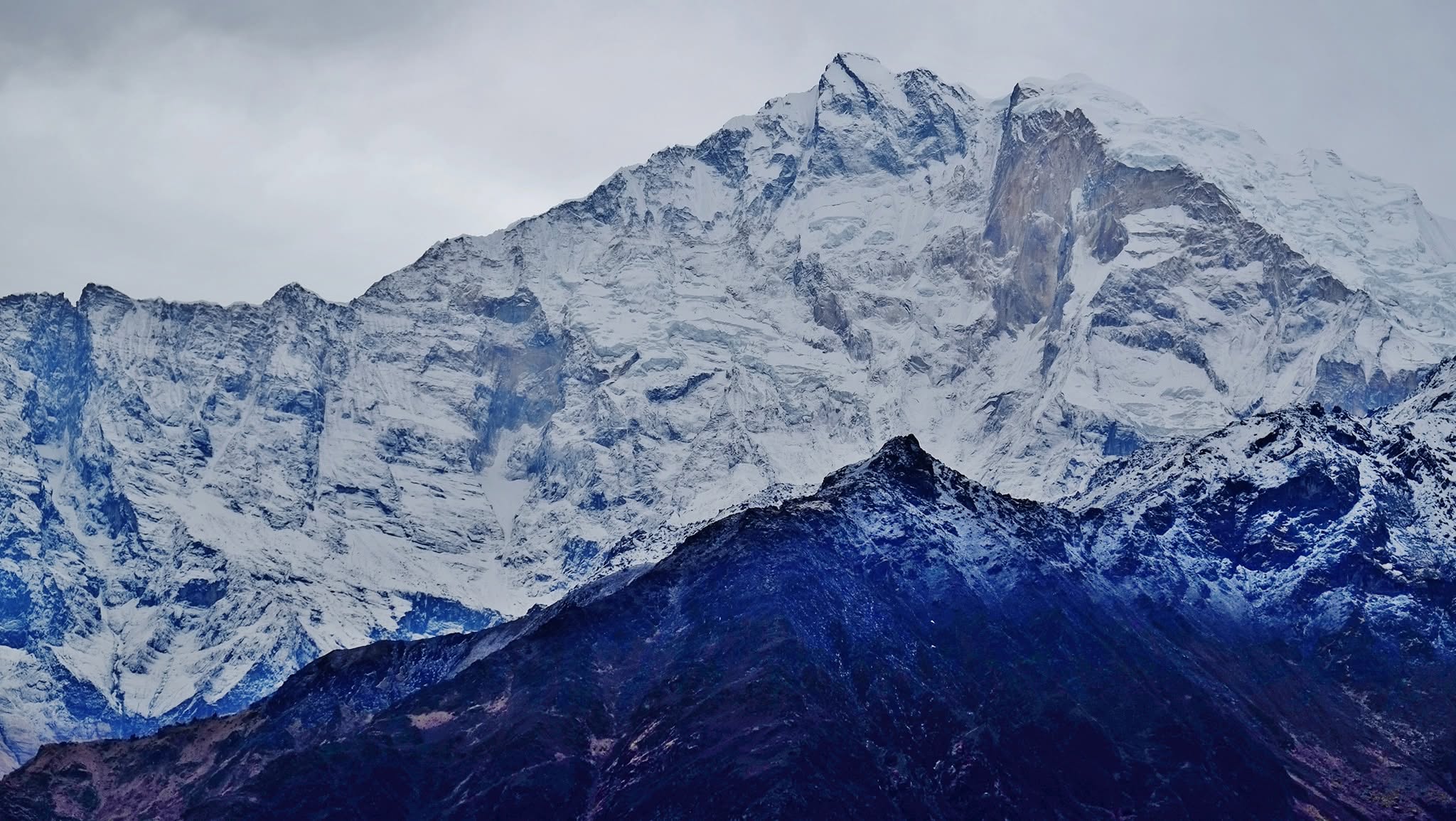
Khopra Trek, alternatively called Khopra Danda Trek or Khopra Ridge Trek, is one of the secret trails of the Annapurna region in Nepal. This trek lies in the district of Kaski in the province of Gandaki, providing an unconventional trekking route unlike the other popular trails of Ghorepani Poon Hill or the Annapurna Base Camp Trek. Trekkers are taken on this route through quaint villages, rhododendron/oak forests, and high alpine meadows, ultimately leading them to reach the summit of Khopra Ridge (3,660 m). From the Khopra Ridge viewpoint, trekkers get to enjoy spectacular views of the Annapurna and Dhaulagiri ranges with peaks such as Annapurna South, Hiunchuli, Fishtail (Machhapuchhre), Nilgiri, and Dhaulagiri I towering above the Kali Gandaki Valley—the deepest valley in the world.
The Khayar Lake hike (4,660 m) is among the most notable attractions in the Khopra Trek. This side hike allows trekkers to have a spiritually rich and adventurous experience while enjoying breathtaking views of the mountain range during the journey. Unlike other treks in the Annapurna region, Khopra Trek is not commercialized, thus making the journey more authentic with opportunities for trekkers to connect with the Gurung and Magar people as well as enjoy teahouse-style accommodation along the trek. In addition, the hike offers a good chance to see a variety of flora and fauna, including Himalayan wildlife such as musk deer, Himalayan tahr, and birds.
Khopra Trek usually starts from Nayapul or Ghandruk and can even be combined with other popular treks such as Ghorepani-Poon Hill or Mardi Himal Trek for a more adventurous experience. The difficulty of the trek is moderate, making it suitable for both experienced trekkers and those who wish to explore the Himalayas while avoiding crowds. It is the perfect trek that blends natural beauty, culture, and spirituality.
Khopra Trek Detailed Itinerary
Drive from Kathmandu to Pokhara
Take the first step in your adventure with an 8-hour road trip (200 km) from Kathmandu (1,400 m) to Pokhara (822 m). The route leads along the Trishuli and Marsyangdi rivers, providing views of Manaslu, Lamjung Himal, and Annapurna II. Enjoy your evening on the tranquil banks of Phewa Lake in Pokhara.
Drive from Pokhara to Nayapul and Trek to Ghandruk
Travel by car for 1.5 to 2 hours from Pokhara to Nayapul (1,070 meters) on the Pokhara-Baglung Highway. Start walking towards Ghandruk (1,940 meters) passing by terraced fields, subtropical forest, and Gurung villages such as Birethanti and Kimche. Arrive at Ghandruk after 5 to 6 hours and witness magnificent views of Annapurna South.
Trek from Ghandruk to Chhomrong
Descend softly from Ghandruk through a rhododendron forest to reach Kimrong Khola (1,600 m). Then, continue with an easy walk through small farmland and forest to reach Chhomrong (2,170 m), an attractive Gurung village located high up on a mountain facing the Modi Khola Valley.
Trek from Chhomrong to Khopra Ridge
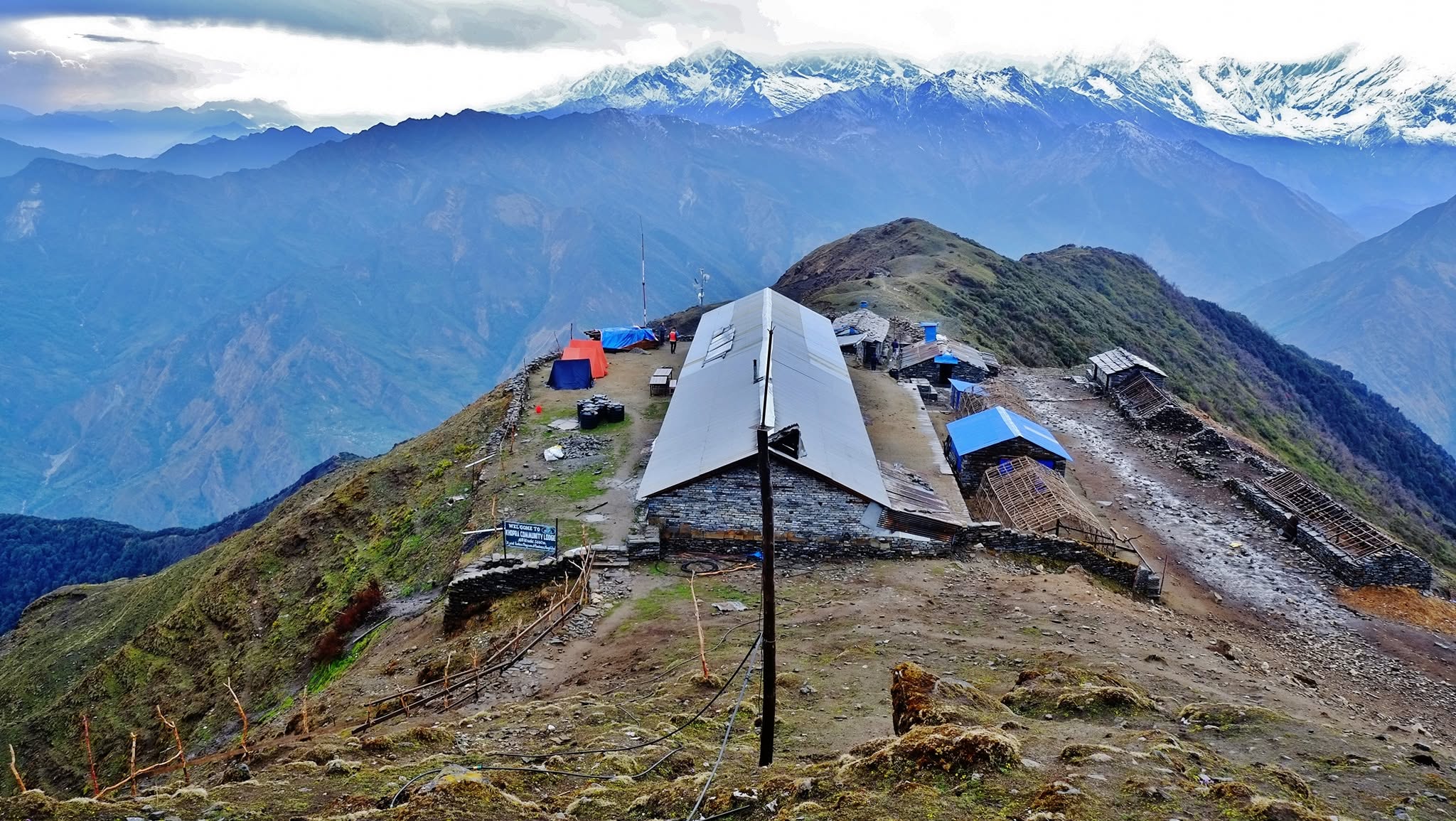
Walk down stone stairs to Chhomrong Khola, cross the bridge, and ascend through bamboo, oak, and rhododendron forests. Splitting off from busy tracks to follow quiet trails, hike up through the pastures of Tadapani, Dobato, and Bayeli Kharka before ascending further through alpine meadows to Khopra Ridge (3,660 m).
Acclimatization Day at Khopra Ridge
Spend an acclimatization day at Khopra Ridge (3,660 m). Watch the golden sun rise over Dhaulagiri, Annapurna South, Nilgiri, and Tukuche Peak. Walk along the ridge to enjoy views of the deepest gorge on earth (Kali Gandaki) and prepare for the optional trek up to higher altitudes like Khayar Lake (4,660 m).
Trek from Khopra Ridge to Swanta Village
Descend the mountain slopes through rhododendron, oak, and bamboo forests. Proceed along the path past herder huts to arrive at Swanta Village (2,270 m), a traditional Magar village situated amidst barley and buckwheat terraces against the backdrop of Dhaulagiri.
Trek from Swanta Village to Ghorepani
Walk from Swanta into lush forests, cross a small stream, and begin a 5-to-6-hour climb. At the end of the ascent, reach Ghorepani (2,874 m), a vibrant village located on a ridge line that serves as the starting point for the Poon Hill sunrise walk.
Trek from Ghorepani to Nayapul
Start your day early by climbing up to Poon Hill (3,210 m) to watch the sunrise over the Dhaulagiri and Annapurna massifs. After breakfast at Ghorepani, begin descending via Ulleri, Tikhedhunga, and Birethanti, ending your walk at Nayapul (1,070 m).
Drive from Nayapul back to Pokhara
End your hiking trip with a short drive through the river valleys from Nayapul back to Pokhara (822 m). Relax for the rest of the day and evening in Lakeside, commemorating the completion of your Himalayan adventure.
Khopra Ridge Trek Cost & Inclusions
Included
- Transportation Fare: Kathmandu – Nayapul – Pokhara – Kathmandu
- Annapurna Conservation Area Permit (ACAP) Fee
- 7 Days Full Board Teahouse/Community Lodge Accommodation and Meals
- Tea and Coffee
- Professional Licensed Trekking Guide
- Porter Service
- Guide and Porter Wages
- Guide and Porter Insurance
- Porter Accommodation and Meals
- Drinking Water
- First Aid Kit
- Government Taxes and Service Charges
Not included
- International Airfare
- Domestic Flights
- Hotel Accommodation in Kathmandu and Pokhara
- Meals in Kathmandu and Pokhara
- Personal Expenses
- Travel Insurance
- Tips and Gratuities
- Optional Activities and Upgrades
- Medical and Emergency Expenses
- Personal Trekking Gear
Packing List
To ensure your safety and satisfaction throughout the trek, make sure you have the proper attire, gear, and equipment. One porter will be allotted for every two trekkers, with a total weight-carrying capacity of 18 kg per porter (allowing a maximum limit of 9 kg per trekker).
Since the porter will carry gear for two people, we recommend coordinating with your trekking partner to pack both of your items into a single duffel bag with a minimum capacity of 60 liters. Each trekker will also need a daypack (20–30 liters) for daily essentials such as valuables, water, and important documents.
We advise bringing only essential clothing and accessories. Any excess baggage can be stored at our offices or at your hotel free of charge during the trek.
Clothing & Layers
- Moisture-wicking base layers (2–3 tops, 2 bottoms)
- Fleece or wool mid-layer jacket
- Insulated down or synthetic jacket
- Waterproof, windproof shell jacket
- Waterproof trekking pants
- Quick-dry trekking shirts (2–3)
- Trekking trousers (2–3 pairs)
- Warm hat and sun hat
- Neck gaiter or scarf
- Inner fleece and waterproof outer gloves
Footwear
- Waterproof trekking boots, well broken-in
- Trekking socks (3–4 pairs)
- Liner socks (1–2 pairs)
- Camp shoes or sandals for evenings
Sleeping Gear
- Four-season sleeping bag (-10°C / 14°F)
- Sleeping bag liner
- Pillowcase (optional)
Bags & Packs
- Trekking backpack (40–55L)
- Duffel bag, carried by porter
- Daypack (20–30L)
- Rain cover for your backpack
Personal Hygiene
- Biodegradable soap and shampoo
- Toothbrush and toothpaste
- Quick-dry towel
- Face and body wipes
- Hand sanitizer
- Sunscreen (SPF 50+) and lip balm
- Toilet paper
- Menstrual hygiene products
First Aid & Medicine
- Personal prescribed medicines
- Altitude sickness pills (consult a doctor)
- Painkillers
- Anti-diarrheal tablets
- Oral rehydration salts
- Blister plasters and band-aids
- Antiseptic cream
- Insect repellent
Electronics
- Headlamp with spare batteries
- Power bank
- Phone and charger
- Camera and SD cards (optional)
- Earplugs
- Travel adapter
Documents & Money
- Valid passport with visa
- 4 passport-size photos for permits
- ACAP and TIMS permits
- Insurance policy including medical evacuation
- Cash — Nepali Rupees (limited ATMs on the trail)
Optional Items
- Trekking poles (highly recommended)
- Water bottles (2–3 liters total)
- Water purification tablets or filter
- Energy snacks
- A lightweight book
- Notebook and pen
- Dry bags or zip-top bags
- Small thermos flask
Khopra Trek FAQs
Where is the Khopra Trek located?
Khopra Trek is situated in the Annapurna region, Kaski district, Gandaki province, Nepal.
What is the total duration of the Khopra Trek?
Generally, it takes 7 to 9 days depending on the specific route selected.
What is the starting point of the trek?
The trek begins at Nayapul, which is located approximately 1.5 to 2 hours away from Pokhara by car.
What is the ending point of the trek?
The trek concludes at Nayapul, followed by a drive back to Pokhara.
What is the best time to do the Khopra Trek?
The best seasons are Autumn (September to November) and Spring (March to May).
What is the highest point of the trek?
The highest point accessible is Khayar Lake at 4,660 m via a side excursion from Khopra Ridge (3,660 m).
Is Khopra Trek suitable for beginners?
Yes, the trek is moderate in difficulty, though a basic level of fitness is recommended due to some steep ascents.
How long is the total distance of the Khopra Trek?
The route spans an estimated distance of 65 to 75 kilometers.
Is a guide necessary for the Khopra Trek?
While independent trekking is possible, hiring a licensed guide is recommended for safety, navigation, and local insight.
Do I need a porter?
Porters are not strictly mandatory, but they are helpful for carrying heavier gear across steep terrain.
Where can permits be obtained?
Permits can be obtained in Kathmandu, Pokhara, or at designated checkposts near Nayapul.
How much do the permits cost?
ACAP permits cost around USD 30–35, while TIMS cards cost approximately USD 10–15.
Are permits checked along the trail?
Yes, permits are regularly checked at official park entry posts and village checkpoints.
Is travel insurance mandatory?
While not legally enforced everywhere, comprehensive travel insurance covering emergency medical evacuation and high-altitude trekking is strongly recommended.
What type of accommodation is available?
Accommodation consists mainly of local teahouses and community lodges offering basic to comfortable room options.
Is food available along the trail?
Yes, teahouses offer a variety of Nepali, Tibetan, and simple international meals such as dal bhat, noodles, soups, and pancakes.
Are there vegetarian options?
Yes, vegetarian options are widely available at almost every teahouse along the route.
Is bottled water available?
Bottled water is available in lower villages, but using reusable bottles with water purification tablets or filters is strongly recommended to reduce plastic waste.
What is the difficulty level of the trek?
The trek is rated as moderate, featuring a mix of gradual walking paths and steep stair/ridge climbs.
Is acclimatization necessary?
Yes, spending an extra day at Khopra Ridge (3,660 m) is recommended to allow proper acclimatization before attempting higher elevations like Khayar Lake.
What fitness level is required?
A moderate level of physical fitness is sufficient. Regular cardiovascular exercise or hiking preparation prior to the trip is beneficial.
Are there challenging sections?
Yes, the long ascents up to Khopra Ridge and the optional side trek to Khayar Lake are the most demanding sections.
What clothing should I bring?
Dress in layers: moisture-wicking base layers, fleece/down mid-layers, windproof/waterproof outerwear, trekking pants, warm hats, gloves, and sturdy boots.
Is it snowy during the trek?
Snowfall can occur above 3,500 meters during winter, late autumn, and early spring.
Are mobile networks available?
Cell coverage from providers like Nepal Telecom and Ncell is available in major villages (e.g., Ghandruk, Ghorepani, Khopra), though connectivity can be intermittent in deeper valleys.
Is the trek safe for solo travellers?
Yes, the region is generally very safe, though traveling with a registered guide or group is recommended for safety and convenience.
Leave a review
Share your trekking experience with future travellers.
There are no reviews yet. Be the first one to write one.