
Kanchanjunga Base Camp
Experience an adventure on the untamed and beautiful trails of Kanchenjunga Base Camp Trek amidst the towering Himalayan mountains, dense forest and traditional mountain villages. Discover the wild side of Nepal as you trek closer to the magnificent Mt. Kanchenjunga, which is third highest peak in the world. Experience an unforgettable blend of nature’s grandeur and cultural interactions along with scenic splendor of one of the least explored trekking destination in Nepal. Experience an adventurous trip through the secret trails of Tsum Valley amidst the Himalayan Mountains and ancient monasteries of the sacred “Valley of Happiness.”
Kanchanjunga Base Camp Overview & Highlights
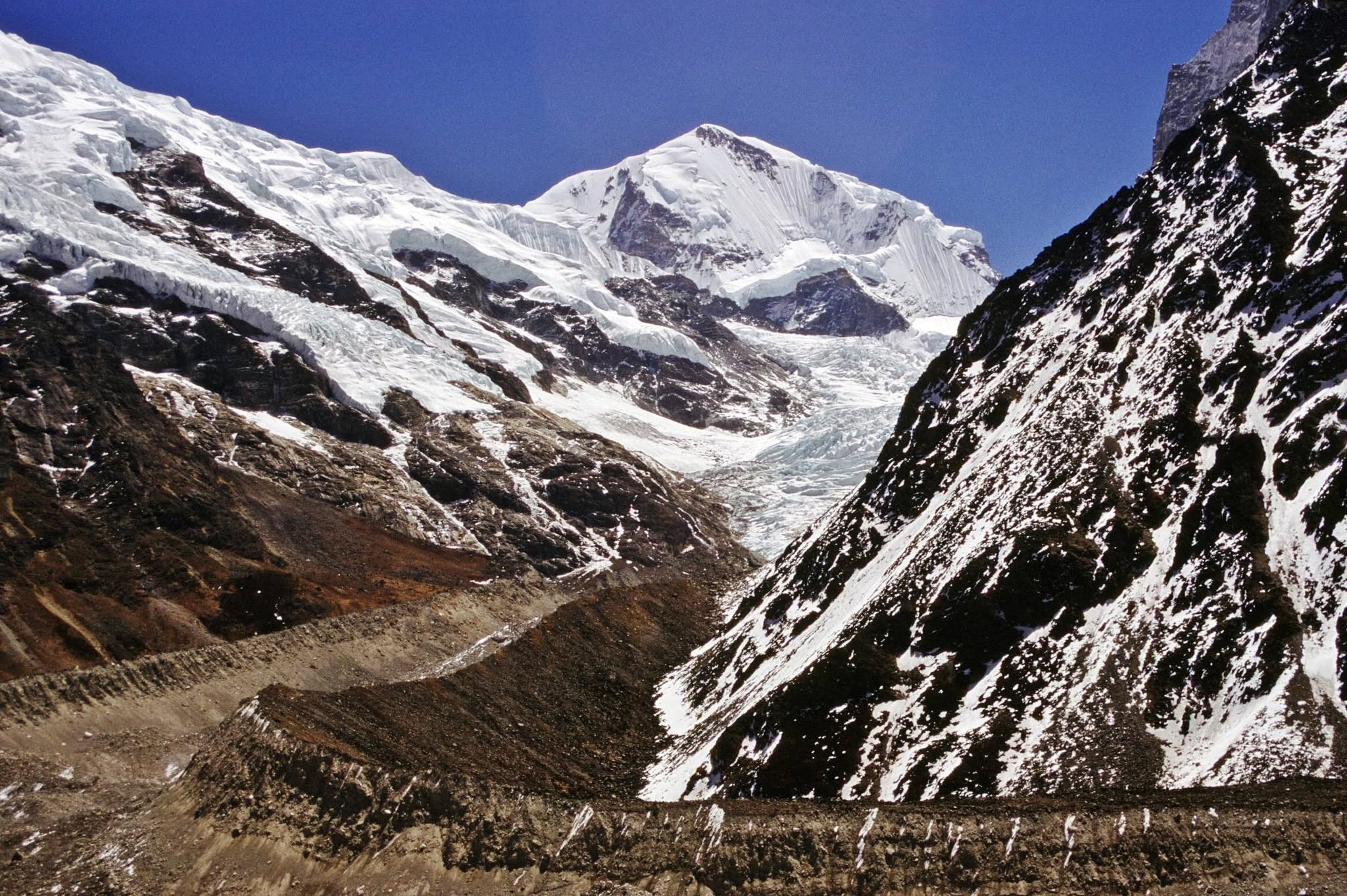
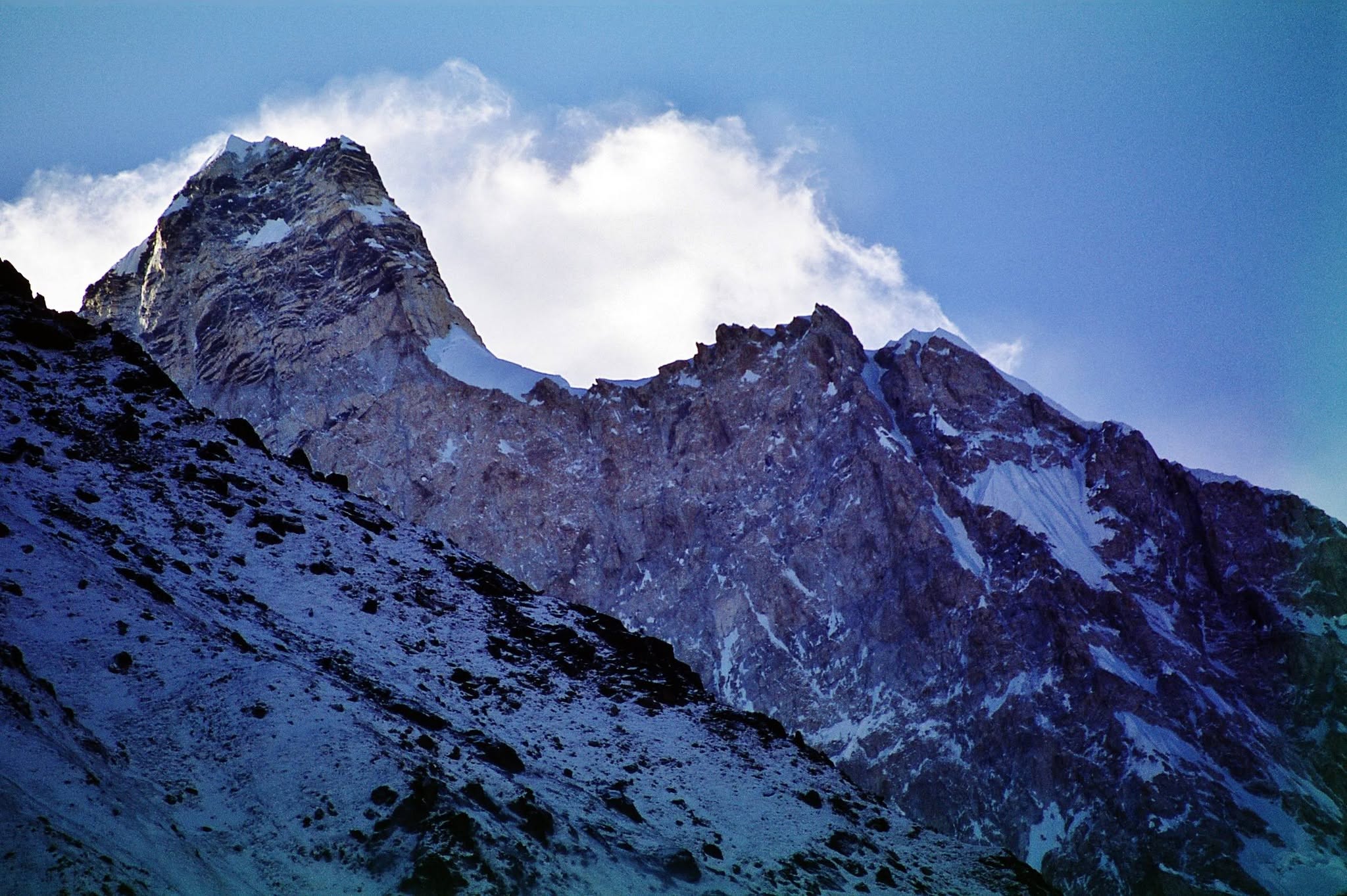
The Kanchenjunga Base Camp is among the most beautiful and distant trekking places in Nepal, situated in the Taplejung district of Koshi province, Nepal’s northeastern region. It is found in the Kanchenjunga Conservation Area and near the borders of Sikkim in India and Tibet in China, thus forming a very geographically and culturally diverse area in the Himalayas. It rises to a height of 5,143 meters (16,873 feet), and it provides one of the most amazing views of the tallest mountain in the world, Kanchenjunga (8,586m).
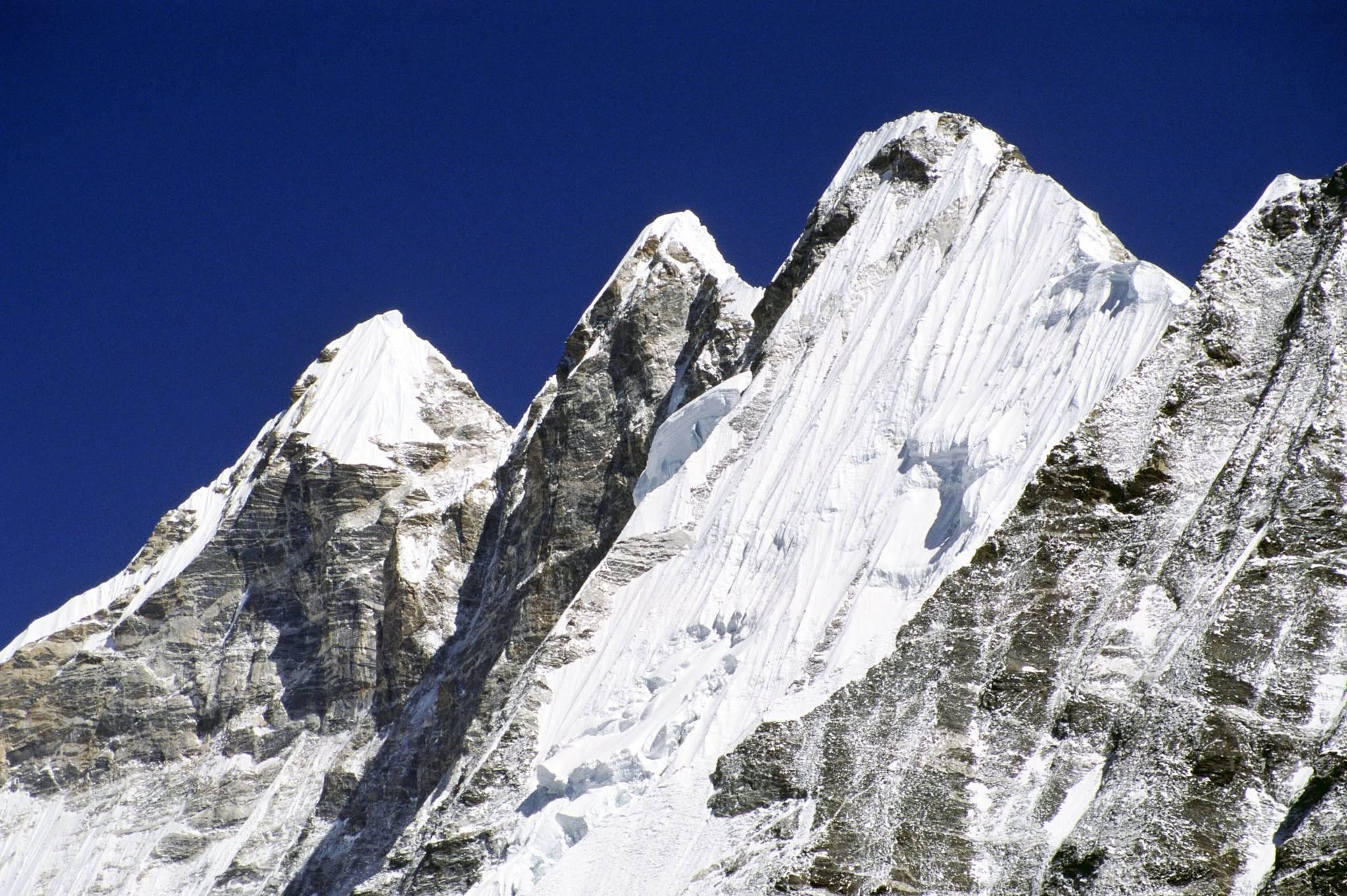
Kanchenjunga got its name from the Tibetan name Kang-chen-dzö-nga, which means “Five Treasures of the Great Snow.” This name is derived from the presence of five magnificent peaks of the mountain, each representing a treasure of God – gold, silver, gems, crops, and Holy books. This symbolism has been embedded in the belief system of the indigenous population since ages.
Kanchenjunga region is a spotless wilderness blessed with spectacular scenic beauty. The trekking journey to this base camp involves going through a vast variety of landscapes starting from sub-tropical forests and cultivated fields up to alpine pastures and glaciers. On your journey, you will see rhododendron, oak, and pine forests that have diverse flora and fauna, and even some species that are endangered. Some of them include snow leopard, red panda, Himalayan black bear, and musk deer.
There are two important base camps situated on either side of the mountain, which are known as South Base Camp (Yalung Base Camp) and North Base Camp (Pangpema). They offer different views of the mountain. The southern side of the mountain is close to the Yalung Glacier and offers amazing views of the south face of the mountain, whereas the North Base Camp Pangpema offers an amazing view of the north face of the mountain. Crossing the Sele La Pass (4,290m) from one side to another side is one of the best parts of the whole trekking experience.
Culturally speaking, the Kanchenjunga region is characterized by a variety of ethnic groups like Limbus, Rai, Sherpas, Gurungs, and Tibetans. Villages in the area, including Ghunsa, Yamphudin, and Phurumbu, are decorated with prayer flags, Mani walls, and ancient monasteries which are signs of the profound Buddhist culture of the region. Local people lead a modest but religious life with their traditions, which have remained intact for many years because of the remoteness of the region. One of the things tourists can remember about the trip is the hospitable nature of the local mountain residents.
The journey to Kanchenjunga differs greatly from the commercialized trekking trails such as Everest and Annapurna. The teahouses along the trail are basic but warm, and the trail itself is peaceful and deserted, with usually just a few trekkers on the trail per day. The isolation makes for an adventurous experience and an amazing opportunity to bond with nature.
The trek to the base camp of Kanchenjunga is not an easy one; it demands physical strength, preparation, and adventure, but what is in store is definitely worth every step. Trekking to Kanchenjunga offers stunning vistas of the mountain range, unique wildlife experiences, and exploration of one of the last remaining untamed lands of the Himalayas. If you love solitude, rich culture, and pristine beauty, then Kanchenjunga is surely the hidden treasure of Nepal, with the majesty of its mountains and purity of life style of the people forever immortalized by the snow of Kanchenjunga.
Kanchenjunga Base Camp Trek Detailed Itinerary
Fly to Suketar & Trek to Lalikharka
After flying in from Kathmandu via Suketar (2,420m), you will begin your journey with a short trek to Lalikharka village (2,260m). The trek will take you through small villages and dense forests of rhododendrons and oaks while viewing the Himalayan ranges.
Trek from Lalikharka to Khesewa
Walk through terraced fields, villages of Limbus and forests of rhododendrons, oaks, and magnolias up to Khesewa (2,120m). Walk across mountain streams and suspension bridges with sights of Kanchenjunga range.
Trek from Khesewa to Mamankhe
Head down towards the Khopok Khola, following trails through cardamom plantations and local settlements until reaching Mamankhe (1,785m), which is a significant Limbu village beside the Kabeli River.
Trek from Mamankhe to Yamphudin
Take the track following the course of Kabeli Khola River, going past forests, terraced farms, and culturally diverse villages occupied by communities like Limbu, Rai, Sherpa, and Gurung people to reach Yamphudin (2,080m).
Trek from Yamphudin to Tortong
Scale up steeply through thick rhododendron, oak, and pine forests via the Lasiya Bhanjyang pass. Following twists and turns through mountain streams and falls, you will finally reach the valley of Tortong (2,995m).
Trek from Tortong to Cheram
Take a hike up to the banks of the river Simbuwa Khola in the rhododendron and oak forests, gradually rising into open alpine pastures up to Cheram (3,870m).
Acclimatization & Rest Day at Cheram
Rest day for acclimatization. Visit local viewpoints where you can see majestic peaks of Rathong and Kabru, or walk around the base camp of Yalung Glacier.
Trek from Cheram to Ramche
Follow the route to higher elevation as you pass the snout of the Yalung Glacier to enter alpine region. You will get clear sightseeing of mountains like Rathong, Kabru and the south face of Kanchenjunga.
Hike to Yalung (South) Base Camp & Return to Cheram
Reach the base camp of Kanchenjunga via the moraines of Oktang / Yalung Base Camp at 4,730 meters to see the awe-inspiring face-to-face views of the giant South Face of Kanchenjunga.
Trek from Cheram to Sele La High Camp
Climb steeply into alpine meadows, moraine fields, and rugged terrain until you arrive at the high camp known as Sele La High Camp (4,290m).
Cross Sele La Pass & Trek to Ghunsa
Ascend via high mountain passes such as Sele La (4,480m) and Sinion La (4,660m), with beautiful views of Jannu and Makalu. Descend through forests of pine and rhododendrons to Ghun(3,595m).
Trek from Ghunsa to Kambachen
Climb up the Ghunsa River to reach Kambachen (4,050m) at the head of its valley, where it lies directly across from the legendary mountain of Mt. Jannu.
Trek from Kambachen to Lhonak
Hike through boulder-strewn areas, rivers and streams formed by glaciers, and valleys filled with moraines to get to Lhonak (4,780m), a remote village encircled byformidable Himalayan summits.
Excursion to Pangpema (North Base Camp) & Return to Lhonak
Take a walk with the Kanchenjunga Glacier to Pangpema or North Base Camp (5,143m). Appreciate the huge North Face of Kanchenjunga before heading back to Lhonak for the night.
Trek from Lhonak to Ghunsa
Start your descent from the valley following the trail back from Kambachen to the wider valley of Ghunsa (3,595m).
Trek from Ghunsa to Amjilosa
Descend the river route through thick jungles of bamboo, oak, and rhododendron. Take multiple suspension bridges over the Ghunsa Khola River to reach Amjilosa (2,308m).
Trek from Amjilosa to Chirwa
Keep going down into narrower gorges and dense sub-tropical growth until you get to the peaceful village of Chirwa (1,270 m).
Trek from Chirwa to Phurumbu
Walk through farmlands, cardamom plantations, and villages located in the valley of the Tamor River to get to Phurumbu (1,542
Trek from Phurumbu to Suketar
Conclude your trip by ascending to Suketar (2,420m). Take some time to rest and relax because you have finished your tour.
Fly from Suketar to Kathmandu
Take your domestic flight from Suketar to Kathmandu, which marks the end of your trekking adventure.
Kanchenjunga Trek Cost & Inclusions
Included
- Domestic Transportation: Kathmandu – Suketar – Kathmandu
- Kanchenjunga Restricted Area Permit
- Kanchenjunga Conservation Area Permit (KCAP)
- Trekkers’ Information Management System (TIMS) Card
- 21 Days Full Board Accommodation and Meals
- Tea and Coffee
- Drinking Water
- Professional Trekking Guide
- Porter Service
- Guide and Porter Wages
- Guide and Porter Insurance
- First Aid Kit
- Necessary Government and Local Taxes
Not included
- International Airfare
- Hotel Accommodation and Meals in Kathmandu and Suketar
- Travel Insurance
- Personal Expenses
- Personal Trekking Gear and Equipment
- Tips and Gratuities
- Optional Activities and Upgrades
- Medical and Emergency Evacuation Expenses
- Extra Accommodation or Meals Due to Delays
- Additional Domestic Flights or Transportation Beyond the Scheduled Itinerary
Packing List
To ensure your safety and satisfaction throughout the trekking process, you must make sure to have the proper attire, gear, and equipment. One porter will be allotted for every two trekkers and a total weight-carrying capacity of 18 kg per porter. This implies that a total weight limit of 9 kg per trekker is permissible.
Since the porter will be carrying gear of two people, we would advise you to coordinate with your fellow trekker and pack the gears of both the trekkers in one duffle bag of a minimum capacity of 60 liters. Each trekker will also need a daypack for the essentials such as valuables, water, and important documents (20-30 liters).
We advise you to bring only what is needed in terms of clothing and accessories since any excess baggage can be kept at our offices or at your hotel free of cost while you go for trekking.
Clothing & layers
- Moisture-wicking base layers (2–3 tops, 2 bottoms)
- Fleece or wool mid-layer jacket
- Insulated down or synthetic jacket
- Waterproof, windproof shell jacket
- Waterproof trekking pants
- Quick-dry trekking shirts (2–3)
- Trekking trousers (2–3 pairs)
- Warm hat and sun hat
- Neck gaiter or scarf
- Inner fleece and waterproof outer gloves
Footwear
- Waterproof trekking boots, well broken-in
- Trekking socks (3–4 pairs)
- Liner socks (1–2 pairs)
- Camp shoes or sandals for evenings
Sleeping gear
- Four-season sleeping bag (-10°C / 14°F)
- Sleeping bag liner
- Pillowcase (optional)
Bags & packs
- Trekking backpack (40–55L)
- Duffel bag, carried by porter
- Daypack (20–30L)
- Rain cover for your backpack
Personal hygiene
- Biodegradable soap and shampoo
- Toothbrush and toothpaste
- Quick-dry towel
- Face and body wipes
- Hand sanitiser
- Sunscreen (SPF 50+) and lip balm
- Toilet paper
- Menstrual hygiene products
First aid & medicine
- Personal prescribed medicines
- Altitude sickness pills (consult a doctor)
- Painkillers
- Anti-diarrhoeal tablets
- Oral rehydration salts
- Blister plasters and band-aids
- Antiseptic cream
- Insect repellent
Electronics
- Headlamp with spare batteries
- Power bank
- Phone and charger
- Camera and SD cards (optional)
- Earplugs
- Travel adapter
Documents & money
- Valid passport with visa
- 4 passport-size photos, for permits
- Kanchenjunga Restricted Area Permit, KCAP, and TIMS Card
- Insurance, including medical evacuation
- Cash — Nepali rupees, limited ATMs on trek
Optional
- Trekking poles, highly recommended
- Water bottles (2–3 litres total)
- Water purification tablets or filter
- Energy snacks
- A lightweight book
- Notebook and pen
- Dry bags or zip-locks
- Small thermos flask
20 Days Kanchenjunga Base Camp Trek FAQs
Where is Kanchenjunga located?
Kanchenjunga (8,586m), the third highest mountain in the world, lies in eastern Nepal, near the Indian state of Sikkim. The trek will take place in Kanchenjunga Conservation Area of Taplejung district.
What is the maximum altitude reached during the Kanchenjunga Base Camp Trek?
The highest point that you can go to is 5,143 meters (16,873 ft) at the Kanchenjunga North Base Camp (Pangpema). You will also encounter other high points such as the Sele La Pass (4,290m) and reach the South Base Camp (Oktang) at 4,730 meters.
Which permits are required for the Kanchenjunga Base Camp Trek?
You need three permits namely the Kanchenjunga Restricted Area Permit (RAP), Kanchenjunga Conservation Area Permit (KCAP), and Trekkers’ Information Management System (TIMS).
What is the best season to trek to Kanchenjunga Base Camp?
Spring and Autumn are the most favorable seasons. Spring is characterized by blooming rhododendrons and comfortable temperature, while Autumn ensures good weather conditions and magnificent views of the mountains.
What is the difficulty level of the 21-Day Kanchenjunga Base Camp Trek?
The trek is graded as strenuous to challenging. It involves long daily walks (6–8 hours), steep gradients, rugged high-altitude trails, and navigating remote terrain far from major infrastructure.
Is a guide mandatory for the Kanchenjunga Trek?
Yes. Kanchenjunga is a designated restricted area bordering foreign countries. Government rules require that all foreign trekkers must have a registered Nepalese guide with them..
Can solo trekkers do the Kanchenjunga Base Camp Trek?
The answer is No. Because of the Restricted Area Permit, there should be a minimum of two trekking members along with a guide who holds a certificate for obtaining permits to enter.
How important is physical fitness for this trek?
It is extremely important to have a good level of fitness and good endurance because you will be walking non-stop for two weeks through difficult terrain and mountain passes. It is highly recommended to have high altitude trekking experience beforehand.
Is altitude sickness a major concern on this trek?
Yes, because the Acute Mountain Sickness (AMS) is one of the very important considerations as we will be going above 3,500 meters for many days to reach above 5,000 meters.
Where does the 21-day trek start and end?
A journey usually begins and ends with either an airplane or car ride from Kathmandu to Bhadrapur or Suketar (Taplejung) before continuing with a jeep ride to the trail head at Sekathum or Taplejung..
What type of accommodation is available on the trail?
The accommodation includes only basic local tea houses or homestays. Accommodations in this remote area are much more basic than the ones provided along the Everest or Annapurna treks.
Is food readily available along the trekking route?
Yes, the teahouses on the trail serve normal local food including normal Dal Bhat (rice, lentil soup, and curry), noodle foods, Tibetan breads, soups, and porridge.
Are vegetarian meals available?
Yes, there is ample availability of vegetarian and vegan foods in all tea houses on the trail. Eating vegetarian food is strongly recommended from the aspect of health and freshness.
Are hot showers, Wi-Fi, and electricity available during the trek?
Facilities are limited. It is possible to charge batteries using solar power and have bucket baths at the lower villages for a slightly higher price, but there is no Wi-Fi connection or cell phone connection in the higher altitudes.
What essential gear should I bring?
Essential equipment includes durable hiking boots that have been broken in, 4-season sleeping bags rated for at least -10°C, a down jacket of good quality, thermal undergarments, water-resistant clothing, trekking poles, and a full medical kit.
Do I need travel insurance for the Kanchenjunga Trek?
Certainly, it is important to have complete travel insurance. The travel insurance should explicitly include coverage for trekking at an elevation up to 5,500 meters.
What is special about the culture along the Kanchenjunga trail?
It is possible to explore the area’s unique cultural mixture while passing through villages where Limbu, Rai, Sherpa, and Tibetan people live. You will discover the local lifestyle, old Buddhist temples, and chortens not affected by tourism.
Are there medical facilities available on the trail?
There are few medical facilities available, which are restricted to basic health clinics in low hub villages. The trekking guides have a basic first aid kit, but in case of severe altitude sickness, it becomes essential to come down immediately.
Leave a Review
Share your trekking experience with future travellers.
There are no reviews yet. Be the first one to write one.