
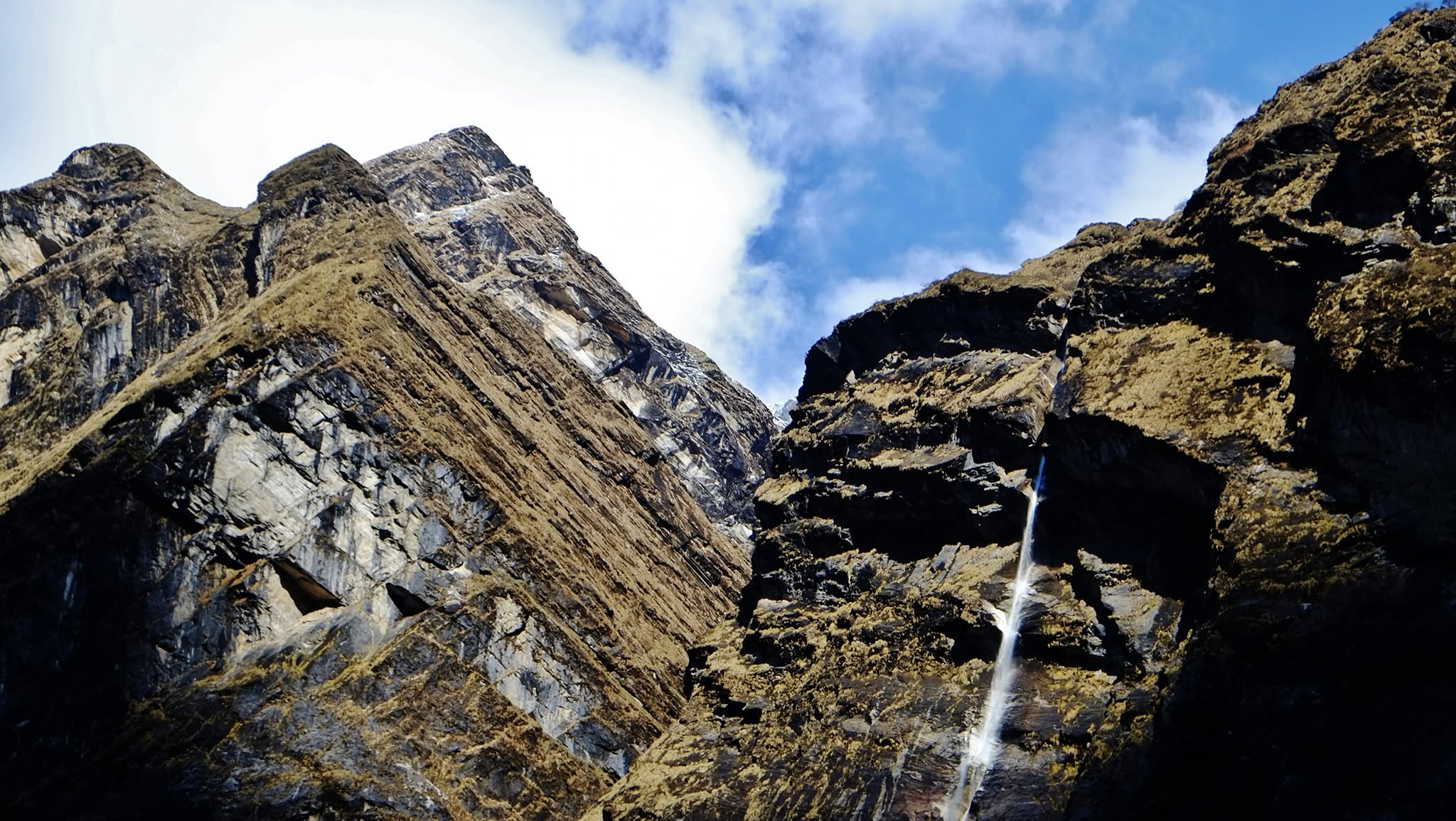
Annapurna Circuit Trek
Get yourself lost in the adventurous journey amidst the varied terrain of the Annapurna area with the backdrop of the mighty Himalayas, historic Gurung and Thakali villages, Buddhist monasteries, valleys, and the majestic mountains of Annapurna. Traverse through the famed Thorong La Pass and revel in the fascinating cultures, landscapes, and nature of the Annapurna Circuit Trek.
Annapurna Circuit Trek Overview & Highlights
The Annapurna Circuit Trek is regarded by many to be one of the most famous trekking routes across the world due to its ecological diversity and cultural significance. This circuit trail involves walking around the massive Annapurna Massif for approximately 160 to 230 kilometers depending on the starting point of the trek and any side routes that may be taken along the way.
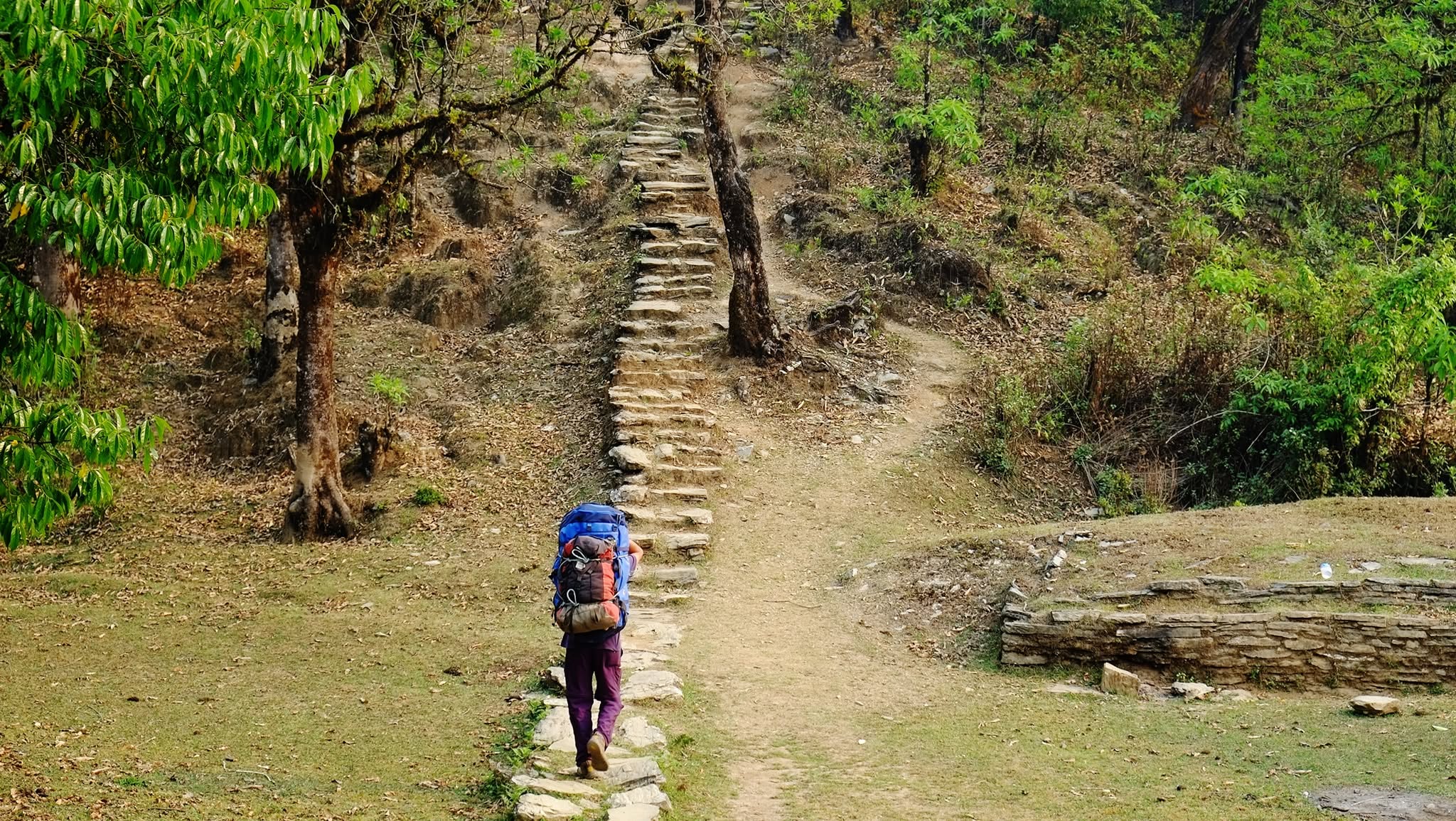
The expedition usually starts from the lowlands along the valley of the Marsyangdi river at locations such as Besisahar or Dharapani. Along this path, you will find subtropical forests, rice fields, and falls moving around dynamic communities of Gurung and Magar tribes who practice mostly Hindu beliefs. The green hills change to pine forests, river gorges, and high altitude grasslands as you reach higher elevations at Chame and Pisang.
After having reached Upper Manang (3,540m / 11,614ft), the environment changes entirely and one finds oneself in a dry and windy valley which is strongly influenced by Tibetan-Buddhist culture. Here it is important to spend a few days for acclimatization and to visit some of the ancient monasteries, the prayer-flag-decorated chortens, and some of the spectacular side trails like the Ice Lake or Tilicho Lake (4,919m). The area is surrounded by impressive mountains measuring 7,000 and 8,000 meters, including Annapurna II, III, IV, Gangapurna and Tilicho Peak.
The ultimate physical challenge of the trail comes in the form of crossing Thorong La Pass at 5,416 meters (17,769 feet), which is one of the highest reachable passes for trekking on earth. A pre-dawn climb from either Thorong Phedi or High Camp challenges the trekkers with tough climbs in thin air; however, the trekkers will be rewarded by some of the most magnificent vistas over the Annapurna and Dhaulagiri ranges.
The route then descends rapidly into the rain shadow zone of Mustang to reach Muktinath (3,710 m), a holy place worshiped by Hindus and Buddhists because of its everlasting natural gas fire and 108 water fountains. After following the trail on the floor of the valley, you will be traveling through the Kali Gandaki River Valley, which is inhabited by the Thakali community and considered one of the deepest river gorges in the world between the mountains of Annapurna I (8,091 m) and Dhaulagiri (8,167 m). The tour ends with an entry into the apple gardens of Marpha and Jomsom, or alternatively southward to the hot springs of Tatopani and viewing point of Poon Hill.
Annapurna Circuit Trek Detailed Itinerary
Drive from Kathmandu to Dharapani
Take an adventurous drive from Kathmandu by the Prithvi Highway along the Marsyangdi river valley. Experience the breathtaking scenery that lies in lush hills, terraces, and villages, ending at Besisahar, where you change into a local 4WD vehicle. The road winds through Chamje to Dharapani, which is the entry point of the Annapurna Circuit.
Trek from Dharapani to Chame
Start your journey down the Marsyangdi river, crossing through villages such as Bagarchhap and Danakyu through a forest of pines and firs. Admire the majestic scenery of Mt Manaslu and Annapurna II while gradually gaining height. After crossing some suspension bridges, climb a few slopes to reach Chame.
Trek from Chame to Pisang
Navigate through thick apple orchards and pine forests, moving across a narrow gorge of the river with steep rock faces on both sides. Go past the huge curving rock formation of Paungda Danda, which is a magnificent natural rock formation jutting out from the path. Arrive at Dhukur Pokhari in the drier upper area of Manang, and move further up to Upper or Lower Pisang.
Trek from Pisang to Manang
Head northwards for stunning vistas of the Annapurna mountains by taking the route to Ghyaru and Ngawal. Otherwise, you can take the southern route, passing the valleys and Buddhist chortens and mani walls and prayer flags all the way to Humde. Reach the historic walled village of Manang, which lies below the glaciers in a wide river valley.
Acclimatization Day in Manang
Have a crucial acclimatization day in order to get used to the thinner air before going higher up. Spend this day in exploring the area by having side trips to Chongkor Viewpoint, Gangapurna Lake, or the famous Braka Monastery. You could even attend a talk about the dangers of altitude sickness at the HRA clinic.
Trek from Manang to Yak Kharka
Depart from the Manang valley route and slowly climb through Alpine meadows and juniper shrub forests. Cross a small wooden bridge over the Jharsang Khola and look for blue sheep feeding on the slopes of the mountains. Reach Yak Kharka, a peaceful village located on high altitudes surrounded by the peaks around it.
Trek from Yak Kharka to Thorong Phedi
Your walk to Ledar involves a short but steady ascent, after which you will descend to the river bank. After crossing the hanging bridge, you will have to cross a landslide-prone area through narrow trails to reach Thorong Phedi, located at the bottom of the pass. Get some rest in your teahouse, because tomorrow is the hard trek across Thorong La Pass.
Cross Thorong La Pass (5,416m) to Muktinath
Leave before sunrise for the strenuous climb up to the Thorong La Pass, which is the highest point of your trek, standing at an elevation of 5,416 meters. Climbing up to the top rewards you with fantastic views of the Annapurna and Dhaulagiri mountain ranges from the prayer flag-decorated pass. You then descend through the arid Mustang region to get to the holy town of Muktinath.
Explore Muktinath and Drive to Jomsom
Explore the hallowed grounds of the Muktinath Temple, revered by both Hindus and Buddhists, which boasts the famed 108 water spouts and a perpetual flame fueled by natural gas. Next, make your way down the valley floor of the Kali Gandaki River Valley, through medieval villages such as Jharkot and Kagbeni, until arriving at Jomsom.
Drive from Jomsom to Marpha
You can take an easy and laid-back drive through the valley riverbed to Marpha, which is the famous “Apple Capital of Nepal.” You can visit the white-washed stone buildings, cobblestone lanes, old Buddhist monasteries, and apple orchards of Marpha, where you can taste cider, dried apples, and local brandy.
Drive from Marpha to Tatopani
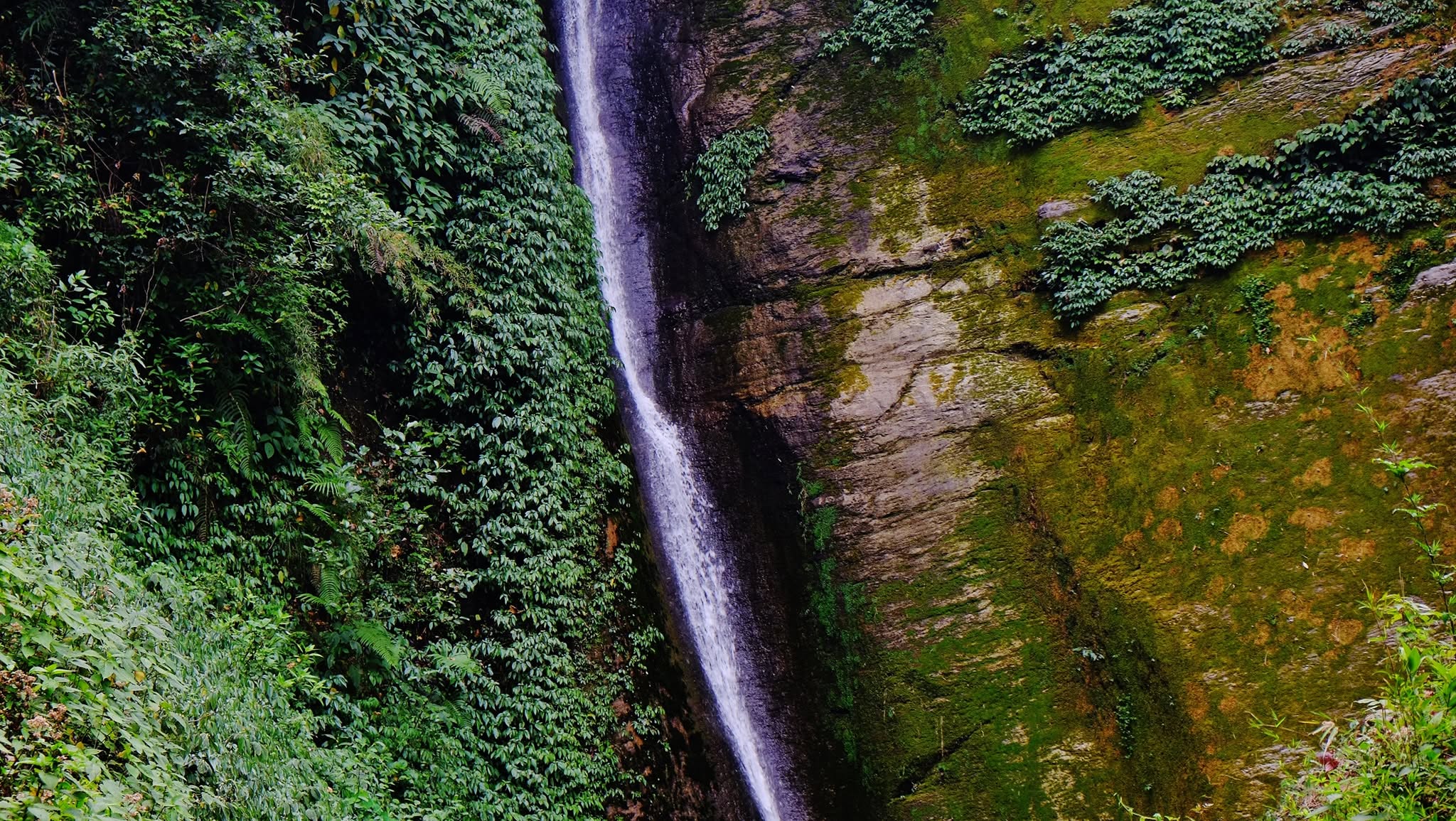
Travel through the Kali Gandaki gorge, one of the world’s deepest canyons, that lies between Annapurna I and Dhaulagiri. Experience a series of breathtaking waterfalls such as Rupse Chhahara along the way while returning to the subtropical forest. Reach Tatopani, where you can relax in the natural hot springs.
Trek/Drive from Tatopani to Pokhara
Travel down from the tall mountains via Beni and Nayapul to the lakeside town of Pokhara. Observe how the scenery transforms into verdant terraces before reaching the hotel by Phewa Lake. Spend the day relaxing at the lake while gazing at the reflection of Fishtail mountain in the lake.
Explore Pokhara and Relax
Relax yourself by visiting the most popular places of Pokhara. Go for a boat ride from Phewa Lake to Tal Barahi Temple, visit World Peace Pagoda, Davis Falls, Gupteshwor Cave or just get a massage and taste delicious food at the cafes on the lakeside.
Drive from Pokhara to Kathmandu
Drive for seven to eight hours back to Kathmandu along Prithvi Highway, through the banks of the rivers like Marsyangdi River and Trishuli River. Go back to the hotel at Kathmandu and cherish the wonderful feeling of having accomplished the Annapurna Circuit trek.
Annapurna Circuit Trek Cost & Inclusions
Included
- Ground Transportation: Kathmandu – Dharapani and Pokhara – Kathmandu
- Ground Transportation: Muktinath – Jomsom – Marpha – Tatopani – Pokhara
- Annapurna Conservation Area Permit (ACAP)
- Trekkers’ Information Management System (TIMS) Permit Fee
- 12–13 Days Full Board Accommodation and Meals During the Trek
- Breakfast, Lunch, and Dinner During the Trek
- Tea and Coffee
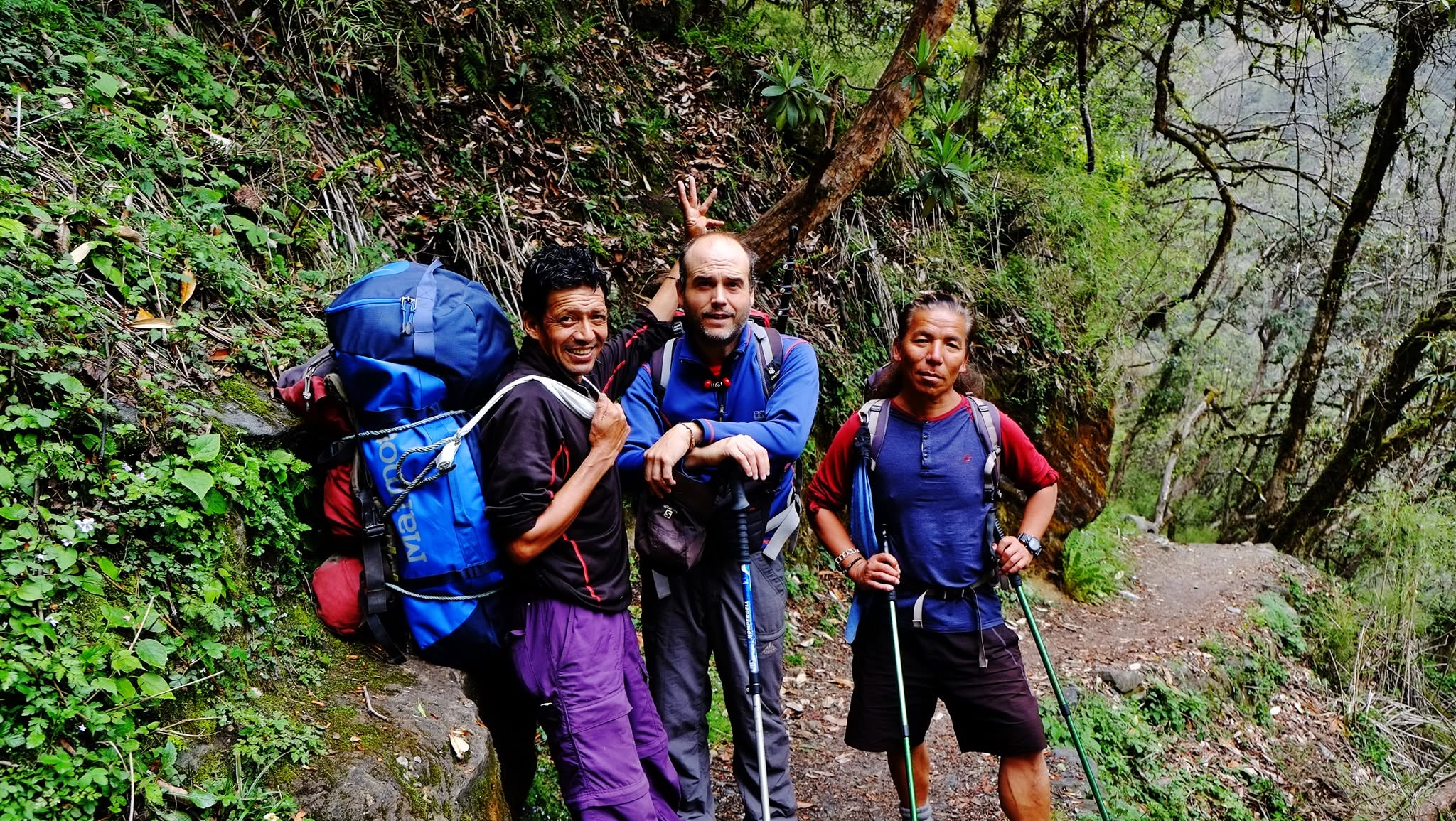
- Professional English-Speaking Trekking Guide
- Porter Service
- Guide and Porter Wages
- Guide and Porter Insurance
- Drinking Water
- First Aid Kit
- Necessary Trekking Permits and Official Documentation
- All Government and Local Taxes
Not included
- Hotel Accommodation in Kathmandu and Pokhara
- Lunch and Dinner in Kathmandu and Pokhara
- Personal Expenses
- Travel Insurance and Emergency Evacuation Coverage
- International Airfare
- Domestic Flights
- Tips and Gratuities for Trekking Staff
- Personal Trekking Gear and Equipment
- Hot Showers and Electronic Device Charging During the Trek
- Additional Snacks, Soft Drinks, and Alcoholic Beverages
- Costs of Optional Side Trips or Sightseeing
- Medical and Emergency Expenses
- Nepal Entry Visa Fees
- Private Transportation Unless Specified in the Itinerary
- Any Costs Arising from Delays, Landslides, Bad Weather, or Other Unforeseen Circumstances
Annapurna Circuit Trek FAQs
What is the Annapurna Circuit Trek?
One such trekking trail in Nepal is that which surrounds the Annapurna Massif, with varied topography and mountain scenery.
Where is the Annapurna Circuit located?
In the region of Annapurna in Nepal, particularly in the province of Gandaki, involving areas like Manang, Mustang, and Kaski.
What is the total distance of the trek?
Between 160 and 230 kilometers, depending on the route.
What is the duration of the trek?
Usually 14 to 21 days, based on the speed, acclimatization process, and optional side trips.
What is the highest point on the trek?
Thorong La Pass (5,416 m), among the highest passes used for trekking in the world.
Is this trek suitable for beginners?
This route is regarded as tough and demanding; beginners with decent physical fitness and proper acclimatization can make it.
What is the best season to trek?
Spring (March-May) and Autumn (September-November) for clear skies and stable weather conditions.
Can the trek be done in winter?
Yes, although the snowy and freezing conditions make the Thorong La pass tough to cross; however, some parts can be negotiated.
Are there alternative routes?
Yes, certain trekking groups may make side trips to Tilicho Lake, Poon Hill, or Upper Mustang.
What is the typical daily trekking time?
This varies, but generally 4 to 8 hours per day.
What permits are required?
Annapurna Conservation Area Permit (ACAP) and Trekkers’ Information Management System (TIMS) Permit.
Where can I get the permits?
One can acquire permits at Pokhara or Kathmandu, or through any recognized trekking agency.
How much do the permits cost?
ACAP costs about USD 30 to 35, and TIMS costs USD 20 per head.
Are permits mandatory?
Yes, all the trekkers need to have permits to enter the area.
Do I need a guide?
It is compulsory for foreigners to trek in Nepal with the help of a licensed guide.
Are porters available?
Yes, typically only one porter for two trekkers, and they have to carry 18 kg of gear.
Are there checkposts along the route?
Yes, permit verification takes place at ACAP and TIMS checkpoints on the trail.
Can the trek be done independently?
Although trekkers with experience used to hike alone in the past, Nepal laws now require the use of an officially recognized guide for trekking.
Is there any restricted area?
There are some specific areas close to the park such as Upper Mustang that need additional permits.
Do I need travel insurance?
Certainly, travel insurance is necessary. It should cover high altitude trekking up to 6,000 meters, emergency helicopter rescue, and medical bills.
Where do trekkers stay?
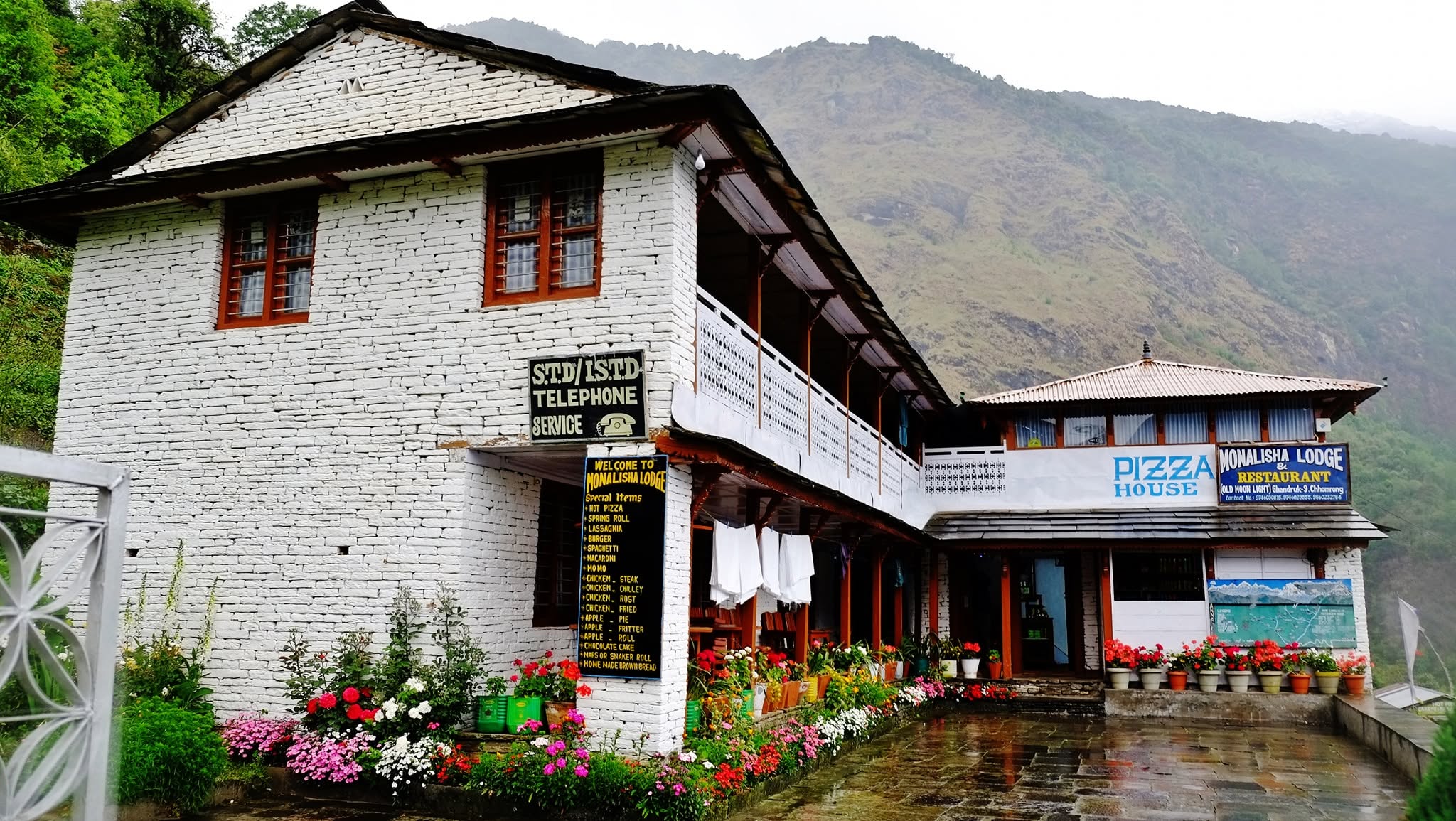
Teahouses and resthouses on the route offer facilities for accommodation and eating.
Are meals included?
If one goes on a trekking tour via a trekking package, then all-inclusive meals would be included. Otherwise, one pays for meals on site at teahouses.
Can I find vegetarian or vegan options?
Sure, most of the huts provide meals for vegetarians such as Dal Bhat, noodles, and fried rice, although there could be a shortage of pure vegan meals in upper villages.
Is drinking water safe?
It is dangerous to drink tap water. One can boil, filter, or use UV-treatment for water before consumption; safe water sources can be found on the trail.
Are tea and coffee available?
Absolutely, tea, coffee, and other hot drinks are provided in most teahouses and form part of the guided meal menu packages.
Are there shops for snacks?
Certainly, the smaller stores provide snacks such as instant noodles, chocolate, energy bars, and biscuits.
What level of fitness is required?
High levels of fitness are necessary; it is highly advisable that cardio training, leg strengthening, and endurance training be done before the hike.
Is altitude sickness a concern?
Yes, especially above 3,000 meters. Proper acclimatization period, like at Manang, gradual ascent, and hydration play an important role in preventing Acute Mountain Sickness (AMS)..
Can children and elderly do the trek?
Certainly, but if you are physically fit, healthy, and well-acclimated, although young kids and those with heart conditions might find it tough to pass.
Leave a review
Share your trekking experience with future travellers.
There are no reviews yet. Be the first one to write one.