
Everest Two Passes Trek
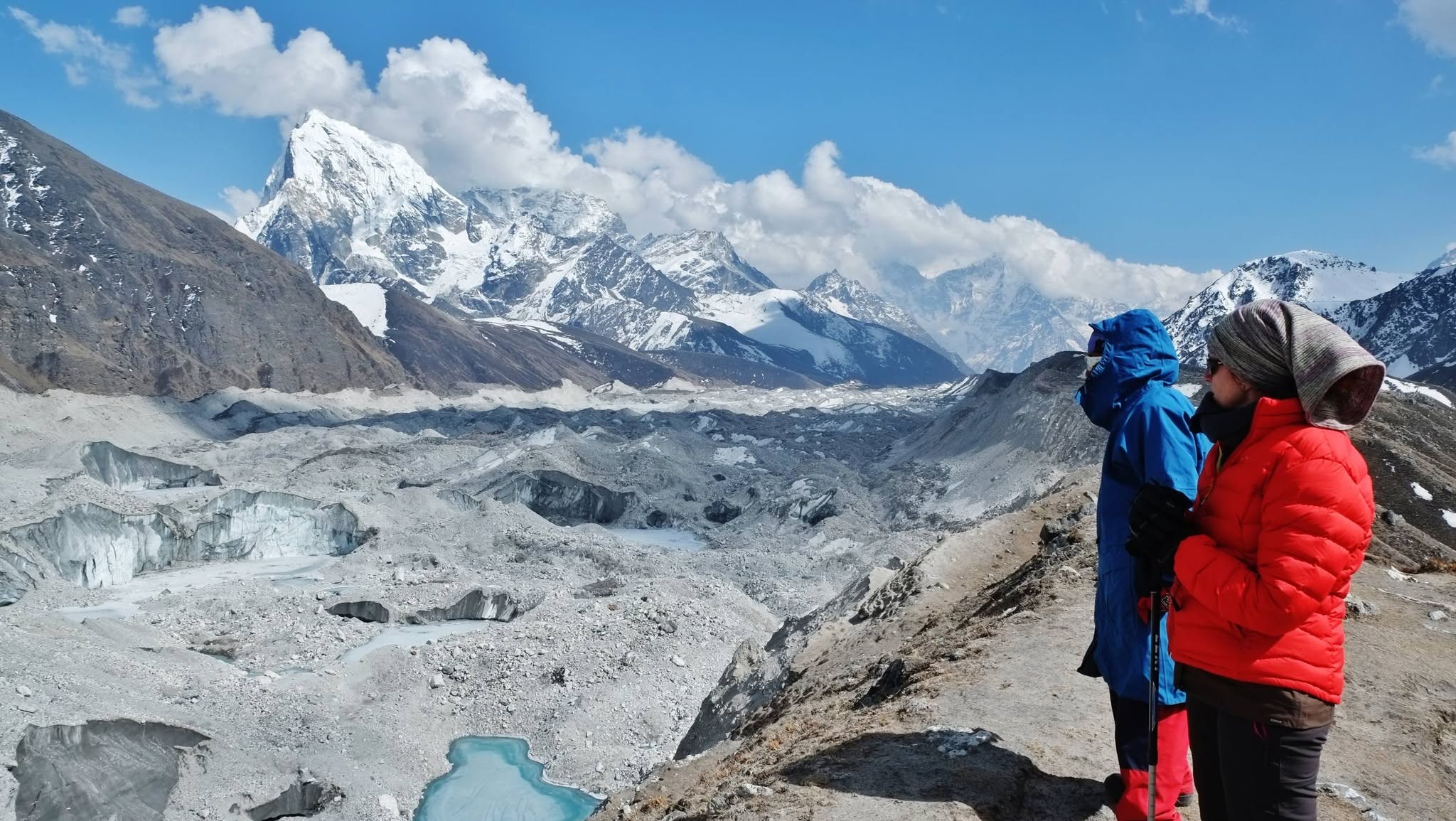
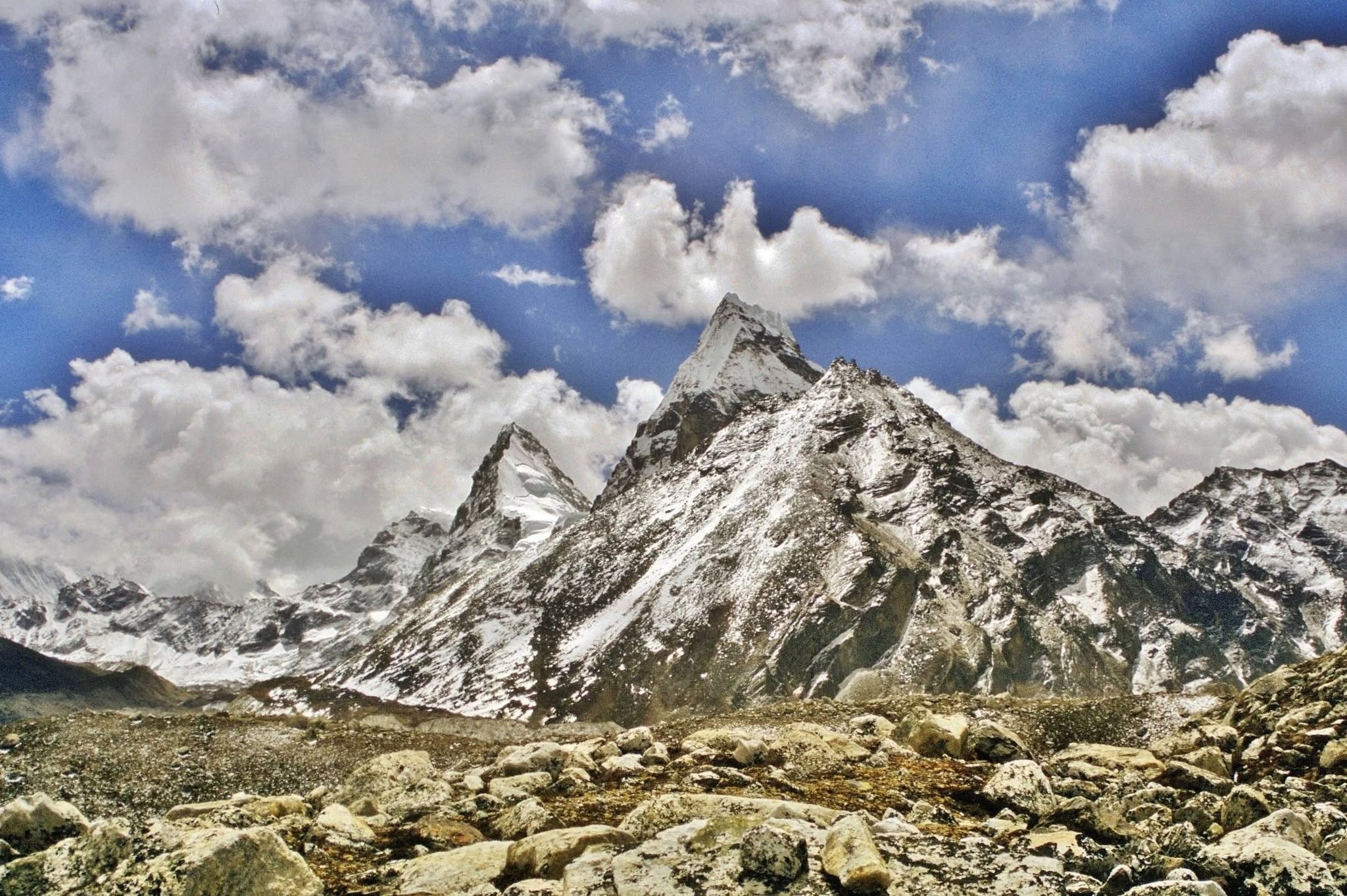
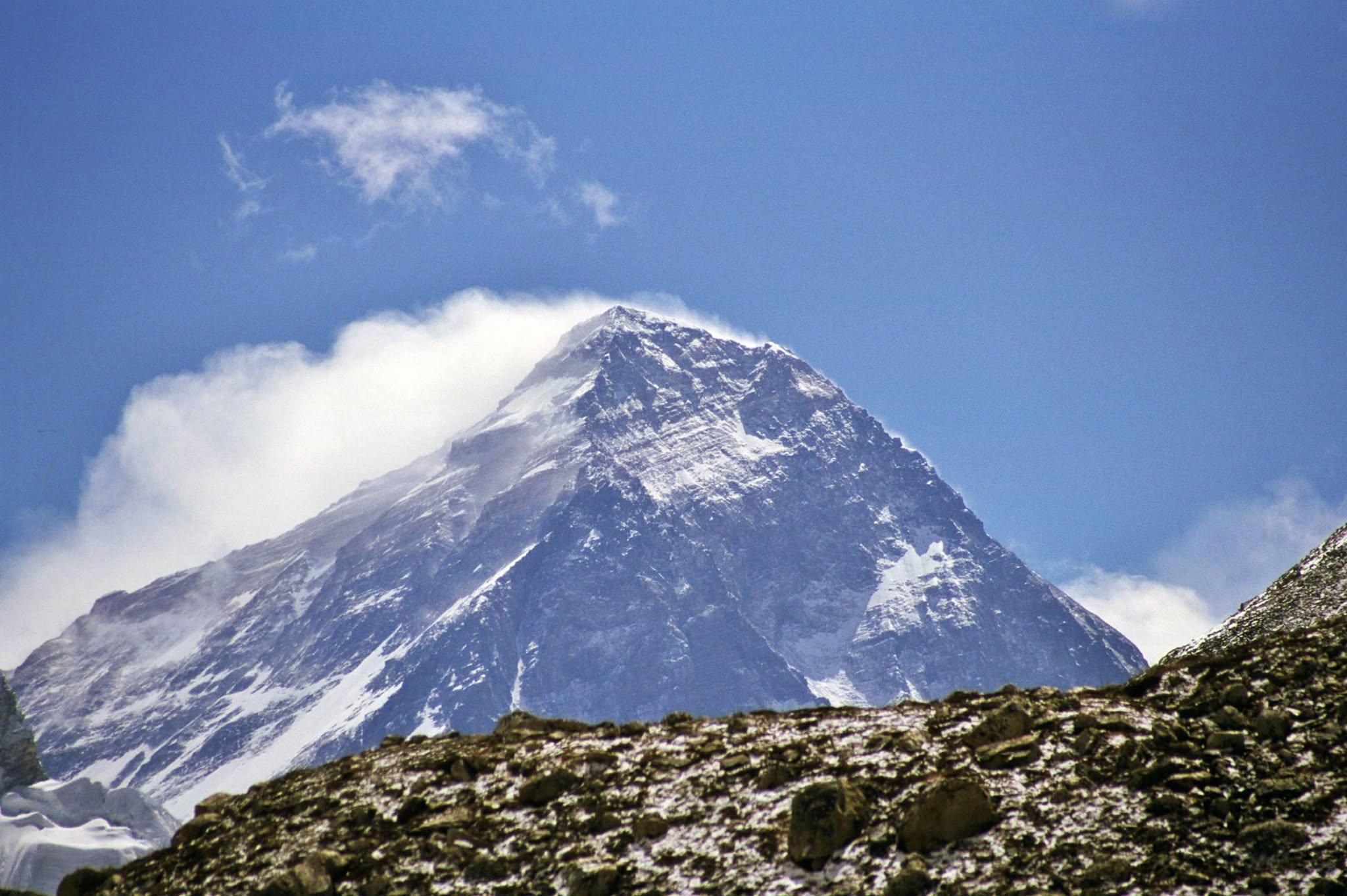
Experience an incredible ride along the spectacular trekking routes of the Everest Two Passes Trek, where you will be surrounded by some of the most impressive Himalayan peaks, beautiful glacial lakes, and the unique culture of the Sherpa people of the Khumbu region. This fantastic expedition takes you through two of the most famous and challenging high passes of the region — Cho La and Renjo La, providing you with amazing views of Everest, Lhotse, and Cho Oyu.
Everest Two Passes Trek Overview & Highlights
Everest Two Passes Trek is an amazing and complete trekking trip in the Khumbu region of the world-famous Everest Mountain. The purpose of this trek is to explore the entire Everest region through two passes, which include Kongma La Pass at 5,535 m and Cho La Pass at 5,420 m. It will not only be a route to Everest Base Camp but also an amazing adventure with mountainous views, difficult trails, beautiful glacial lakes, and Sherpa culture.
The journey begins with a picturesque flight to Lukla, the gateway of Everest. It goes through many picturesque villages like Phakding and Namche Bazaar. The trekkers get the chance to acclimatize during their stay in the midst of the buzzing Sherpa market. Further ahead in the Khumbu valley lies the Tengboche monastery, an iconic cultural site that presents a breathtaking view of peaks like Ama Dablam, Everest, and Lhotse.
The first big obstacle on the trail is the Kongma La Pass, which is the highest and the remotest of all three passes in the Everest region. The ascent gives trekkers amazing views of Mount Makalu, Baruntse, and the Nuptse Wall, with subsequent descent to the town of Lobuche and a visit to the Everest Base Camp (5,364m). It is definitely a memorable experience to stand at the foot of the world’s tallest peak, and the next walk to Kala Patthar (5,545m) will provide you with the most spectacular sunrise view of Everest and its neighboring peaks.
Starting from Lobuche, the trail traverses the Cho La Pass, an amazing pass characterized by icy paths and glaciated scenery that connects to the serene Gokyo Valley. In this valley, hikers get an opportunity to visit the amazing Gokyo Lakes and ascend to Gokyo Ri at 5,357 m where one gets a 360-degree view of four of the highest mountains in the world including Everest, Lhotse, Makalu, and Cho Oyu..
The trek of Everest Two Passes is not the same as the trek of Everest Base Camp as the former is much more adventurous and requires better health condition and acclimatization because of the difficult crossings at the high altitude. If you want to visit the landmarks such as Everest Base Camp, Kala Patthar, and Gokyo Lakes, then this trek will suit you perfectly well.
Everest Two Passes Trek Detailed Itinerary
Fly from Kathmandu to Lukla, Trek to Phakding
Enjoy a thrilling 30-minute flight from Kathmandu to Lukla while viewing the amazing mountain landscapes of the Himalayas. You will then meet your trekking team members and start the trek to Phakding. Trek for 3 to 4 hours through the villages of Sherpas, the forest of pines and rhododendrons, suspension bridges, and across the Dudh Koshi river to reach Phakding, where you can settle in a tea house.
Trek from Phakding to Namche Bazaar
Walk for 5-6 hours from Phakding to Namche Bazaar via the river of Dudh Koshi, through dense pine forest, Sherpa villages, and suspension bridges decorated with prayer flags such as Hillary Suspension Bridge. Walk through Sagarmatha National Park with gradual uphill ascent until Namche Bazaar is reached, located at an altitude of 3,440 m where visitors can wander around its busy streets and relax at tea houses..
Acclimatization Day in Namche Bazaar
Take the day to acclimatize yourself in Namche Bazaar by trekking to the Everest View Hotel located at an altitude of 3,880 meters from where you can enjoy panoramic views of Everest, Lhotse, and Ama Dablam. Afterward, proceed further toward the village of Khumjung and explore its monastery and Hillary School or the National Park Museum, before heading back to Namche Bazaar.
Trek from Namche Bazaar to Tengboche
Hike for 5-6 hours from Namche Bazaar to Tengboche at an altitude of 3,860m on the way, passing through one of the most stunning trails with panoramic views of Mt. Everest, Lhotse, Nuptse, and Ama Dablam. You’ll have to descend from Phunki Tenga to Dudh Koshi river and finally climb through lush rhododendron and fir forests to reach Tengboche..
Trek from Tengboche to Dingboche
Walk for 5-6 hours from Tengboche to Dingboche at an elevation of 4,410 m, starting from the forest area down below until you reach Deboche. Cross Imja Khola and walk up to Pangboche from there. Pass through the alpine areas and Imja valley and villages of Shomare with its stone walled areas until you arrive at Dingboche.
Acclimatization Day in Dingboche
Enjoy the day adjusting to your surroundings while hiking to Nangkartsang Peak, located at an elevation of 5,083 m from the base camp located in Dingboche at 4,410 m. You can enjoy magnificent views of Mt. Makalu, Mt. Lhotse, Mt. Cho Oyu, Ama Dablam, Island Peak, and the beautiful Imja Valley. Or you may opt for a lighter trek towards Chhukung.
Trek from Dingboche to Lobuche
The trek from Dingboche to Lobuche will take around 4-5 hours at 4,940 m with a steep climb through the tough mountainous terrain with sights of Ama Dablam, Island Peak, and Lhotse. The trail passes through the Duglha village and the monuments in memory of dead mountaineers to finally reach Lobuche where you can rest before moving ahead to Everest Base Camp.
Trek from Lobuche to Gorak Shep, Visit Everest Base Camp
March 7-8 hours from Lobuche to Gorak Shep, which is located at an altitude of 5,164 meters. Follow the rock path by the side of the Khumbu Glacier, enjoying the splendid views of the Pumori, Lingtren, and Everest. Proceed further from Gorak Shep to Everest Base Camp, which is at 5,364 meters, and then trek back to Gorak Shep.
Hike from Gorak Shep to Kala Patthar, Trek to Dzongla
Begin early the trek from Gorak Shep to Kala Patthar, 5,545 m, and experience the wonderful sight of the sunrise from the peaks of Mount Everest, Lhotse, Nuptse, and the Khumbu glacier. Descend back to Gorak Shep, have some time off, then proceed through difficult glacial landscapes all the way up to Dzongla, 4,830 m.
Cross Cho La Pass to Thagnak
The trek from Dzongla to Thangnak, through the difficult Cho La Pass that rises to 5,420 m, will take around 6-7 hours with stunning views of Cho Oyu, Lhotse, and the massive Everest along the way, before making your way through the rough moraines and rivers of the glacier to end up at Thangnak, 4,700 m above sea level, where you can stay in the cozy tea house.
Trek from Thagnak to Gokyo
March for 3–4 hours to reach Gokyo from Thangnak at 4,750 meters above sea level, using trails that lead you through rock-strewn paths, glaciers, and alpine pastures. Along the way, you will enjoy spectacular views of the majestic mountains such as Cho Oyu, Gyachung Kang, and the enchanting turquoise-colored Gokyo Lakes.
Climb Gokyo Ri
Depart from Gokyo early and trek up to Gokyo Ri, located at an elevation of 5,357 m, and gain stunning views of Everest region. Admire sunrise views of Mount Everest, Mount Lhotse, Mount Makalu, Mount Cho Oyu, Mount Nuptse, Ngozumpa Glacier, and beautiful Gokyo lakes before returning down to Gokyo village.
Rest Day in Gokyo
Use the day to adjust to the altitude and relax at Gokyo, which is situated at 4,750 m above sea level, amidst the stunning blue Gokyo Lakes and Himalayas. You can go on leisurely walks by the lakes, visit the tranquil Sherpa village or marvel at the magnificent views of Mt. Everest, Mt. Cho Oyu and Mt. Makalu before heading back to your teahouse.
Cross Renjo La Pass to Marlung
Walk for 6-7 hours from Gokyo to Marlung by crossing the demanding Renjo La Pass at an altitude of 5,360 m, which involves climbing over rocky paths and glaciers while witnessing magnificent sights of Everest, Lhotse, Makalu, and turquoise Gokyo Lakes. Walk over the colorful flags on Renjo La Pass to reach Marlung at an elevation of 4,500 m via alpine grasslands and rocky slopes.
Trek from Marlung to Namche Bazaar
Walk for 5-6 hours from Marlung to Namche Bazaar at an altitude of 3,440 meters. This trek will take you through rocky ridges, alpine meadows, glacial rivers, and the typical Sherpa villages. You will come across various Buddhist religious objects like prayer flags, chortens, yak grazing grounds, and cultivated terraces before arriving at the bustling village of Namche.
Trek from Namche Bazaar to Lukla
Walk for around 6-7 hours from Namche Bazaar to Lukla, which is 2,860 meters above sea level, passing through beautiful rhododendron and pine forests as well as crossing the Dudh Koshi River. Walk through Phakding, Monjo, and Jorsalle as you come across various suspension bridges and the amazing view of Himalaya Mountains. Then finally arrive in Lukla as you finish your Everest Two Passes Trek and head back to Kathmandu.
Fly from Lukla to Kathmandu
Take an early morning scenic flight from Lukla to Kathmandu and admire the amazing scenery of the Himalayas from above. On arrival at Kathmandu airport, transfer to your hotel and unwind after the wonderful journey on the Everest Two Passes Trek.
Everest Two Passes Trek Cost & Inclusions
Included
- Airfare: Kathmandu – Lukla
- Sagarmatha National Park Permit Fee
- Trekkers’ Information Management System (TIMS) Permit Fee
- Tea and Coffee
- 12–14 Days Full Board Accommodation and Meals
- Professional Trekking Guide
- Guide and Porter Insurance
- Porter Wage
- Porter Service
- Drinking Water
- First Aid Kit
- Guide and Porter Wages
Not included
- Hotel Accommodation in Kathmandu and Lukla
- Personal Expenses
- Travel Insurance
- International Airfare
- Tips and Gratuities
- Optional Activities and Upgrades
- Medical and Emergency Expenses
- Domestic Flights
- Personal Trekking Gear
Packing List
To ensure your safety and satisfaction throughout the trekking process, you must make sure to have the proper attire, gear, and equipment. One porter will be allotted for every two trekkers and a total weight-carrying capacity of 18 kg per porter. This implies that a total weight limit of 9 kg per trekker is permissible.
Since the porter will be carrying gear of two people, we would advise you to coordinate with your fellow trekker and pack the gears of both the trekkers in one duffle bag of a minimum capacity of 60 liters. Each trekker will also need a daypack for the essentials such as valuables, water, and important documents (20-30 liters).
We advise you to bring only what is needed in terms of clothing and accessories since any excess baggage can be kept at our offices or at your hotel free of cost while you go for trekking.
Clothing & layers
- Moisture-wicking base layers (2–3 tops, 2 bottoms)
- Fleece or wool mid-layer jacket
- Insulated down or synthetic jacket
- Waterproof, windproof shell jacket
- Waterproof trekking pants
- Quick-dry trekking shirts (2–3)
- Trekking trousers (2–3 pairs)
- Warm hat and sun hat
- Neck gaiter or scarf
- Inner fleece and waterproof outer gloves
Footwear
- Waterproof trekking boots, well broken-in
- Trekking socks (3–4 pairs)
- Liner socks (1–2 pairs)
- Camp shoes or sandals for evenings
Sleeping gear
- Four-season sleeping bag (-10°C / 14°F)
- Sleeping bag liner
- Pillowcase (optional)
Bags & packs
- Trekking backpack (40–55L)
- Duffel bag, carried by porter
- Daypack (20–30L)
- Rain cover for your backpack
Personal hygiene
- Biodegradable soap and shampoo
- Toothbrush and toothpaste
- Quick-dry towel
- Face and body wipes
- Hand sanitiser
- Sunscreen (SPF 50+) and lip balm
- Toilet paper
- Menstrual hygiene products
First aid & medicine
- Personal prescribed medicines
- Altitude sickness pills (consult a doctor)
- Painkillers
- Anti-diarrhoeal tablets
- Oral rehydration salts
- Blister plasters and band-aids
- Antiseptic cream
- Insect repellent
Electronics
- Headlamp with spare batteries
- Power bank
- Phone and charger
- Camera and SD cards (optional)
- Earplugs
- Travel adapter
Documents & money
- Valid passport with visa
- 4 passport-size photos, for permits
- ACAP and TIMS permits
- Insurance, including medical evacuation
- Cash — Nepali rupees, limited ATMs on trek
Optional
- Trekking poles, highly recommended
- Water bottles (2–3 litres total)
- Water purification tablets or filter
- Energy snacks
- A lightweight book
- Notebook and pen
- Dry bags or zip-locks
- Small thermos flask
Everest Two Passes Trek FAQs
What is the Everest Two Passes Trek?
Everest Two Passes Trek is an altitude trekkings in Nepal and passes through two passes namely Cho La Pass (5,420m) and Renjo La Pass (5,360m). The trekking includes the stunning views of Mount Everest, Lhotse, Cho Oyu, and Makalu.
Where does the trek start and end?
Trekking begins with an airplane journey from Kathmandu to Lukla and terminates at Lukla, from where you will return to Kathmandu by airplane.
What is the duration of the trek?
Generally, it takes 18 to 20 days for the journey..
Which season is best for this trek?
The ideal time to go trekking is the pre-monsoon (March to May) and post-monsoon (September to November), when the weather is clear with moderate temperature.
What is the total distance of the trek?
The trail distance is between 200 to 220 kilometers in total distance traveled..
What are the highest points on the trek?
Cho La Pass (5,420 m) and Renjo La Pass (5,360 m) have the highest elevations.
Is altitude sickness a concern?
Indeed, the hike goes above an altitude of 5,000 meters. Acclimation, slow ascent, and hydration are essential.
How difficult is the trek?
The hike is moderately tough and is ideal for fit trekkers.
Do I need permits for this trek?
Yes, the Sagarmatha National Park Permit and the TIMS (Trekkers’ Information Management System) Card are necessary.
Are there fees for these permits?
Certainly, fees are required for access to the park as well as TIMS registration.
Is a guide compulsory?
Although it is not compulsory by law, it is advisable to hire a professional guide.
Do I need a porter?
Porters are not compulsory but can be used to carry baggage (up to 18 kg per porter).
Are drones allowed?
The use of drones in Sagarmatha National Park is prohibited.
Where do we stay during the trek?
The accommodation can be in tea houses or lodging houses that offer basic amenities such as bed, bathroom and meals..
Are meals included?
Full meals are provided on the trekking trip (breakfast, lunch, and dinner).
Can vegetarians or vegans manage meals?
Teahouses do provide vegetarian food, but there are fewer choices for vegetarian food at high elevations.
Is drinking water available?
Drinking water can be supplied in lodges, or through purification by using tablets or filters.
Do teahouses have electricity and Wi-Fi?
Certain higher-altitude mountain lodges have reduced access to electricity and internet connectivity which is sourced using solar energy.
What clothing is recommended?
Wearing layered clothes will be helpful, consisting of thermal undergarments, fleece jackets, insulated coats, waterproof jackets, gloves, caps, and hiking socks.
Do I need trekking poles?
Absolutely, trekking poles would definitely come in handy when ascending, descending, and crossing over passes.
Is a sleeping bag needed?
Yes, a sleeping bag suitable for -10°C or even less would be vital.
What kind of footwear is required?
Good-fitting and waterproof walking boots are essential; light footwear such as sandals may be used for teahouse purposes.
Can I charge my devices on the trek?
A few lodges offer charging facilities with charges, but there may not be consistent charging facilities at higher altitudes.
Is medical support available?
The first aid kits are possessed by the guides but there is no hospital on the way. Evacuation might be needed for critical cases.
Are there emergency evacuation options?
Helicopters for evacuation purposes are indeed possible, but they are expensive and weather dependent.
Do I need vaccines or medications?
Routine immunizations are advisable, and you should visit a doctor to get prescriptions for altitude sickness drugs like Diamox.
Leave a review
Share your trekking experience with future travellers.
There are no reviews yet. Be the first one to write one.